
Geofencing is fairly new on the block, and it’s becoming increasingly popular as more and more marketers and business owners learn about it – and for good reason; it can be quite powerful. Even Facebook is getting into the mix and offering a form of GeoFencing.
MOBILE MARKETING IS ESSENTIAL TO SUCCESS
As a business owner, you should already know just how important it is to optimize your website for mobile – because everyone is on mobile nowadays. Mobile marketing is an essential tool you should be using for your business.
If you’re still not convinced, check out the following statistics on mobile marketing:
- 80% of internet users own a smartphone.
- Users spend, on average, about 69% of their media time on their smartphones.
- Over 50% of smartphone users grab their smartphone immediately after waking up.
- 68% of companies have integrated mobile marketing into their overall marketing strategy.
- 88% of consumers who search for a type of local business on a mobile device call or go to that business within 24 hours.
Talk to a Mobile Marketing Specialist
WHAT IS GEOFENCING?
- Works in real time
- Uses cell towers to determine location
- Often requires people to have location services turned on and opt in
- Only sends ads to the people who went to that specific location at that specific time
If you’re familiar with internet marketing, you’ve probably heard the term geofencing being thrown around (you’ve probably also heard of geoframing – learn the difference by clicking here).Whether you know what it means or don’t know anything about it, we’re here to help. Read on below to find out what geofencing is and why it’s important for your business.
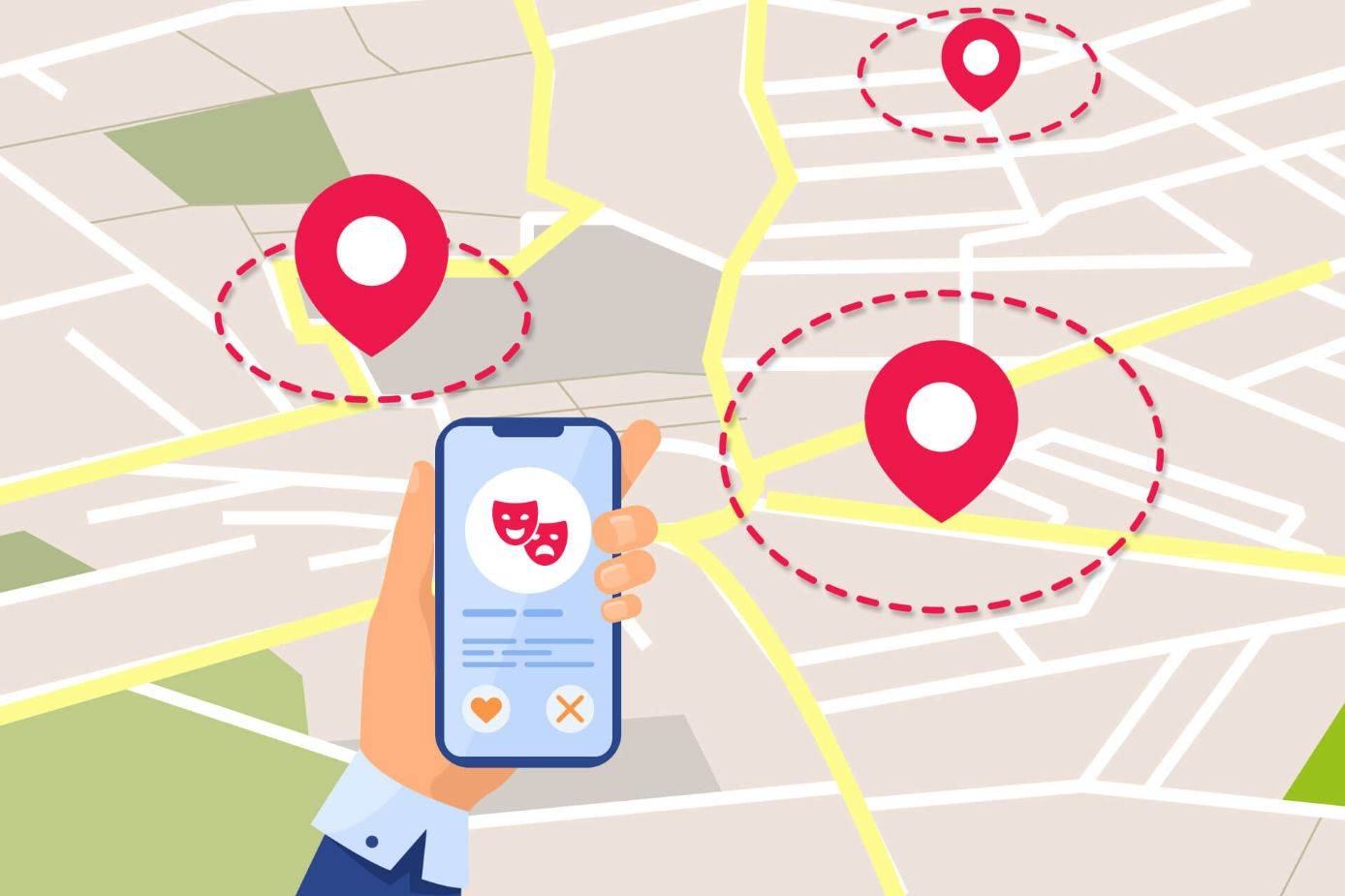
Geo-fencing, or geo-framing, allows you to target a unique group of people by their specific location at a certain date and period of time. Basically, an app (or other software) uses GPS, RFID, Wi-Fi or cellular data to trigger a pre-programmed action when your mobile device enters or exits a virtual perimeter set up around a geographical location. This geographical location is known as a geo-fence.
We like to thinking of geo-fencing as extremely advanced mobile advertising based on physical location. This technique is great for events, works in real time, easy to customize audiences, and can go back up to 6 month prior in terms of collecting data.
Geofencing is a specific type of Location-Based Marketing. Basically, this direct marketing strategy uses a smartphone’s (or other mobile device’s) location to alert the person who owns the device about an offer from a nearby business.
30% of people globally are already using Location-Based Marketing services.
How does GeoFencing Work?
Geofencing technology has a wide range of applications across various industries, including marketing, security, logistics, and automation. Here are some key aspects of geofencing:
- How Geofencing Works:
- Geofencing relies on the geographic coordinates of a particular area or location.
- Once a geofence is established, it can trigger actions or notifications when a mobile device enters or exits the defined boundary.
- This technology often relies on GPS to track the device’s location and determine its proximity to the geofence boundary.
- Applications:
- Marketing and Advertising: Businesses use geofencing for location-based marketing. When a user enters a geofenced area, they may receive targeted ads, promotions, or discounts on their mobile devices.
- Security: Geofencing can be used for tracking assets, such as vehicles or equipment. If a vehicle equipped with a GPS device enters or leaves a specific area, an alert can be generated.
- Employee Monitoring: Employers may use geofencing to track the location of remote workers, ensuring they are at designated job sites during work hours.
- Location-Based Services: Apps and services can provide users with location-specific information or functionality based on their proximity to geofenced locations. For example, a museum app might provide information about nearby exhibits when the user enters a museum.
- Alerts and Notifications:
- Geofencing systems can be configured to send alerts or notifications via email, SMS, or push notifications when a device enters or exits a geofenced area.
- These alerts can be useful for businesses, parents tracking their children, or security personnel.
- Privacy Considerations:
- The use of geofencing for tracking individuals can raise privacy concerns. It’s important for organizations to obtain proper consent and adhere to privacy regulations when implementing geofencing solutions.
- Geofencing Technologies:
- While GPS is commonly used for geofencing, other technologies like Wi-Fi and Bluetooth Low Energy (BLE) beacons can also be used to create indoor geofences with higher precision.
- Some platforms offer cloud-based geofencing services that can be easily integrated into mobile apps or existing systems.
- Accuracy and Battery Life:
- The accuracy of geofencing can vary depending on the technology used and environmental factors. GPS-based geofencing can be less accurate in densely populated urban areas or indoor environments.
- Continuous use of GPS for geofencing can drain a mobile device’s battery relatively quickly, so efficient power management is crucial.
GEOFENCING WORKS FOR A MYRIAD OF REASONS – BUT THE MAIN TWO ARE:
- People are attached to their mobile devices and use them all the time. One of the rules of audience targeting is knowing where your market likes to hang out. Target them where they already are – on their smartphones and tablets. And with geofencing, you can take it a step further!
- People want location-based marketing – really! In fact, 80% of people say they desire location-based alerts from businesses, and 70% are willing to share their location if they get something good in return.
How to Get Started with GeoFencing
Pick a Platform
- Google Maps Platform:
- Google offers a geofencing service as part of its Maps Platform, allowing developers to create and manage geofences and receive notifications when a device enters or exits these areas.
- Google Maps Platform – Geofencing
- Apple Core Location Framework:
- Apple’s Core Location framework provides geofencing capabilities for iOS and macOS apps. Developers can use this framework to create geofences and monitor location changes.
- Apple Core Location Documentation
- Geo-fence by Plot Projects:
- Plot Projects offers a geofencing SDK and platform that enables location-based marketing and engagement. They provide tools for setting up geofences and sending notifications to users.
- Plot Projects – Geo-fence
- Radius Networks:
- Radius Networks offers a range of proximity and geofencing solutions, including the RadBeacon platform and tools for creating and managing geofences.
- Radius Networks
- Geofence by Factual:
- Factual provides location data and geofencing solutions for developers and businesses. They offer tools for creating geofences and leveraging location-based data.
- Factual – Geofence
- Gimbal / Infillion:
- Gimbal offers a location and proximity platform that includes geofencing capabilities. It allows businesses to engage with users based on their real-world location.
- Gimbal
- Swirl Networks:
- Swirl provides an indoor mobile marketing platform with geofencing features, primarily focused on enhancing in-store shopping experiences.
- Swirl Networks
- Bluedot:
- Bluedot specializes in location-based services and geofencing technology, offering a platform for creating and managing geofences.
- Bluedot
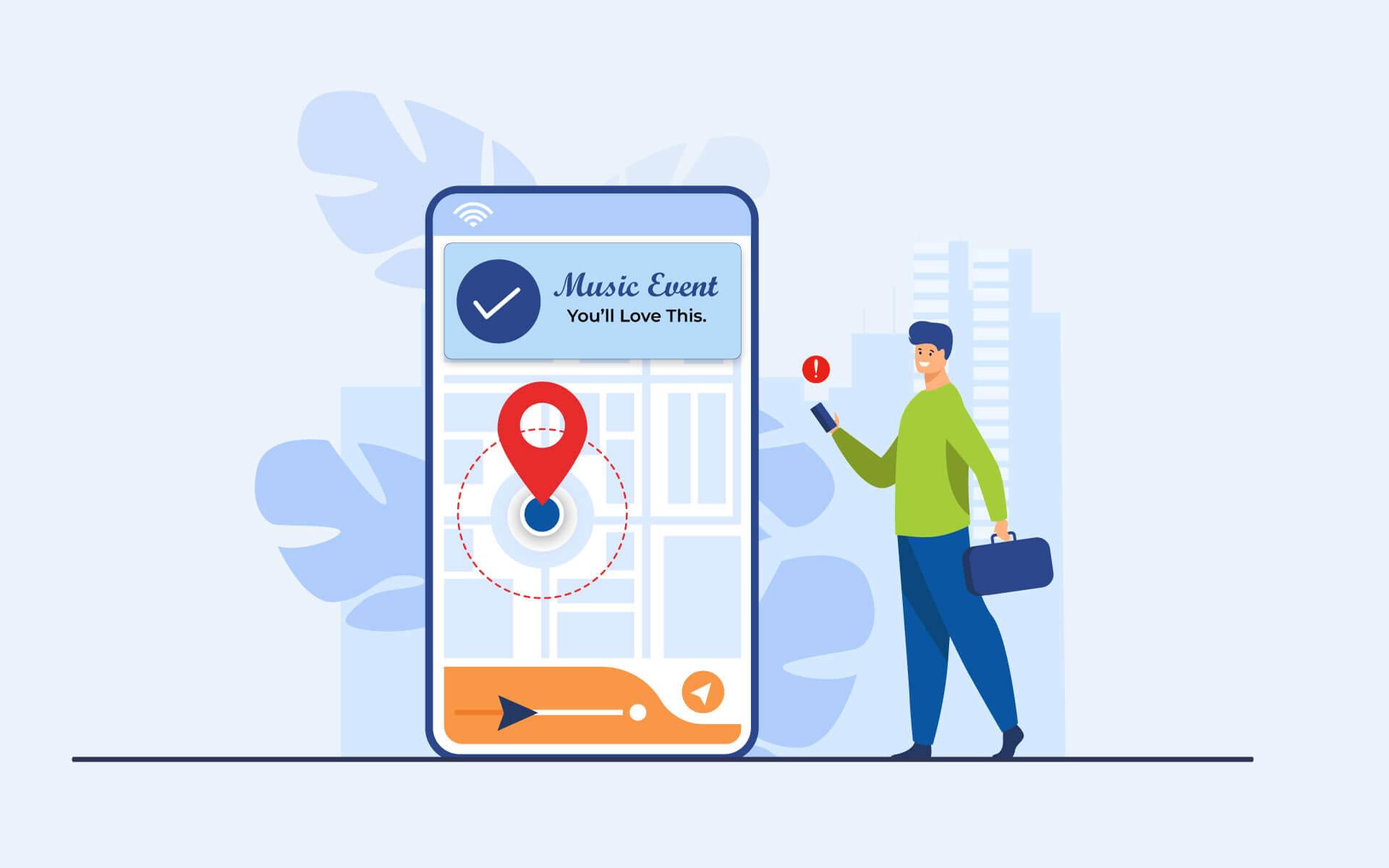
You can think of geofencing like a virtual “fence” around a certain location you’d like to market in. When people turn on their phone’s Location Services (GPS), your geofencing campaign can communicate with them when they’re in your “fenced” location.
Your “fence” can be as small as a grocery store or as large as the city of Houston – it’s up to you. You can make them into squares, circles, or any type of polygon to fit your company’s marketing needs.
STEP 1 – DEFINE YOUR FENCE
Geo-fencing marketing is a virtual fence that is traced around a location where the advertiser wants to build an audience based on their visit to that particular location
STEP 2 – TAG THE AUDIENCE
Once someone enters the geo-fenced area, they will become apart of an audience that can later be targeted with your company’s ads
STEP 3 – SHOW YOUR ADS
Once your ad is live, consumers will then start to see your ads on free apps that they have on their phone. The consumer can see those ads from 1 to 30 days after they have entered the geo-fenced area.
Technology That Works with Geofencing:
- WiFi – Standard on all smartphones, WiFi is a great way to reach more customers. If it’s an open network (not WPA/password-secured), then your customers won’t have to opt in to get your messages, making reaching them even easier! Since customers must keep their WiFi on, it can sometimes cause the battery to drain quickly.
- GPS – Used with data or WiFi, GPS is a great way to target your customers, especially outdoors. Unfortunately, it does cause heavy battery drainage and isn’t as accurate when used indoors.
- Bluetooth Beacons – Bluetooth beacons help identify nearby devices within signal radius using Bluetooth and location. They’re highly accurate and help customers save battery. However, you would need to install these devices in all locations you want to track.
- RFID – This is the most precise tracking out there right now. It’s also the best battery-friendly way to target them – meaning that it saves your potential customers from losing battery levels on their devices too quickly. Investing in RFID can be costly, but it’s also extremely accurate.
Benefits of Geofencing
- Targeted Marketing: Geofencing allows businesses to target customers with highly relevant and timely marketing messages based on their location. For example, retail stores can send promotions or discounts to customers when they are near their physical locations, increasing the likelihood of conversion.
- Enhanced Customer Engagement: By sending personalized messages or notifications to users within a specific geographical area, businesses can enhance customer engagement. This can include special offers, event invitations, or reminders.
- Geotargeted Content Delivery: Content providers can use geofencing to deliver location-specific information or services to users. For example, museums can provide visitors with additional information about exhibits as they move through different areas of the museum.
- Data Collection and Analysis: Geofencing generates valuable data about customer behavior and movement patterns. Businesses can analyze this data to gain insights into consumer preferences, foot traffic, and the effectiveness of marketing campaigns.
Geofencing allows business owners to limit their marketing messages to certain geographic locations. This can be extremely helpful when trying to hyper-target a specific buyer persona, like at industry events or conferences.
Here are my top benefits:
- Better audience targeting
- Deliver your campaigns at the right time and place
- Target specific audiences at events/certain locations
Brands can expect as much as a 20% increase in conversions by adding location-based marketing to their arsenal.
Business that implement geofencing can see a variety of benefits, including:
- Increased foot traffic to your physical store
- Increase web traffic on your website
- Improved customer service
- Happier customers and increased referrals
- Integrated social sharing to improve brand awareness
- Rising above your competition
In other words, geofencing is a great way to target people who are more likely to be interested in your business. As any internet marketer will tell you, the best people to target are people who want what you sell. And there are people out there looking for your business. Geofencing is an extremely efficient way to target them.
EXAMPLES OF GEOFENCING STRATEGIES
If you’re headed to an industry-related conference, you might want to geofence the conference location. Why? Because the people attending the conference are obviously already interested in your industry, and are more likely to positively respond to your marketing messages.
Say you want to beat a heavy competitor. Simply geofence a competitor location to redirect shoppers to you!
Perhaps you’re a music school looking for more kids to teach. Your local zoo is hosting a Music Night and you want to target parents attending that event. It’s a genius way to directly market to people who are most likely going to be interested in your business!
There are tons of ways you can use geofencing to help your business target customers and increase conversions.
You can also use push notifications and mobile ads tied to business locations.
Account-Based Marketing
Geofencing can be a valuable tool in an account-based selling (ABS) campaign. Account-based selling is a strategic approach where sales and marketing teams focus their efforts on a select group of high-value target accounts rather than casting a wide net.
Here’s how geofencing can be integrated into an account-based selling campaign:
- Targeted Outreach: Geofencing allows you to define specific geographical areas where your target accounts are located, such as industrial parks, business districts, or conference venues. With this information, you can tailor your outreach efforts to these locations, ensuring your message reaches the right audience.
- Event Targeting: If your target accounts are attending industry events, conferences, or trade shows, you can use geofencing to target these locations. By delivering personalized messages or promotions to attendees within the event venue or nearby areas, you can increase your chances of engaging with key decision-makers.
- Competitor Targeting: Geofencing can also be used to target locations where your competitors are located. By setting up virtual boundaries around competitor offices or business establishments, you can deploy targeted campaigns to sway potential customers away from competitors and towards your solution.
- Account-Based Advertising: Geofencing can complement your account-based advertising efforts by ensuring that your ads are displayed to individuals within the geographic areas associated with your target accounts. This can increase the relevance and effectiveness of your ad campaigns by reaching decision-makers when they are in proximity to your offering.
- Event Follow-up: After events or meetings with target accounts, geofencing can be used to follow up with attendees who visited specific locations associated with your campaign. This allows you to continue the conversation and nurture leads based on their recent interactions.
- Localized Content Delivery: Tailor content and messaging based on the geographic location of target accounts. This personalized approach demonstrates your understanding of their specific needs and challenges, making your outreach more compelling and relevant.
Overall, integrating geofencing into your account-based selling strategy enables you to enhance targeting precision, increase engagement with key decision-makers, and drive more impactful interactions with your target accounts.
SCHEDULE A 20-MINUTE CALL WITH THE GEOFENCING EXPERTS AT EWR DIGITAL!
Interested in geofencing for your business? We’d be happy to help you learn more and see exactly how we can help your business grow. Speak with one of our experts today by calling us at so we can get your business booming!
The Beginner’s Guide to Geofencing | EWR Digital – Houston, TX Internet Marketing Services