
Today, let’s explore the intricate realm of the oil and gas industry and uncover the tried-and-true strategies for effective business development. But first, let’s clarify the distinction between business development and sales—a crucial understanding for a holistic approach to growth.
Understanding Business Development
Oil and gas business development is the strategic process of identifying, pursuing, and acquiring new opportunities and partnerships within the oil and gas industry. It involves activities aimed at fostering growth, creating valuable relationships, and expanding the reach of businesses operating in the oil and gas sector such as hour hours, industry lunchins and conferences. This multifaceted approach goes beyond traditional sales by encompassing elements such as social selling, and now online research and market analysis, identifying potential clients on LinkedIn or other methods, crafting unique value propositions, and adapting to the ever-evolving landscape of the oil and gas industry. Successful oil and gas business development strategies often include a combination of innovation, targeted outreach on social media and by phone, and a deep understanding of the challenges and opportunities within the energy sector to you can articulate to your prospects that you product or service solves their problem.
At its core, business development strategically pursues new business, while sales executes on revenue generation. Ideally, the business development function integrates sales, marketing, and product development for a comprehensive growth strategy for B2B. I would even say that Account Based Selling (ABS) fits into this here.
Proven Strategies for Oil and Gas Business Development
Now, let’s delve into the key strategies that can elevate your business development efforts in the dynamic landscape of oil and gas.
Identifying and Solving Core Problems:
Your product or solution addresses specific problems. A thorough understanding of these problems lays the foundation for effective business development.
Imagine there’s a challenge with detecting leaks in pipelines. Leaks not only lead to environmental concerns but can also be super costly for companies. So, a nifty solution could be a smart sensor technology designed specifically for pipelines.
These sensors could be placed strategically along the pipeline route to constantly monitor for any signs of leaks or abnormalities. They might use advanced algorithms to analyze data in real-time, instantly flagging any potential issues to operators.
Now, imagine this system is equipped with predictive analytics. It doesn’t just detect leaks when they happen, but it can also predict when a leak might occur based on various factors like pressure fluctuations or temperature changes.
This predictive capability allows operators to take proactive measures, like scheduling maintenance before a leak even happens, saving both time and money while preventing environmental harm.
Plus, these sensors could be integrated with cloud-based platforms, allowing operators to monitor their entire pipeline network remotely from anywhere in the world. It’s like having eyes and ears all along the pipeline, even in the most remote locations.
So, by leveraging smart sensor technology with predictive analytics and remote monitoring, this solution addresses the critical issue of pipeline leaks head-on, making the oil and gas industry safer, more efficient, and more environmentally friendly.


Pinpointing Your Target Audience:
In the oil and gas sector, identifying those experiencing the identified problem is crucial. Knowing the titles and roles of impacted individuals allows for precise outreach.
Let’s say you’ve developed a groundbreaking solution aimed at optimizing offshore drilling operations. To make a real impact, you need to identify the key players within oil and gas companies who are directly involved in offshore drilling.
These could include drilling engineers responsible for planning and executing operations, operations managers overseeing day-to-day activities, procurement managers handling equipment purchases, health, safety, and environment (HSE) managers ensuring compliance, and C-suite executives steering strategic decisions.
By tailoring your messaging to resonate with each of these stakeholders, highlighting how your solution addresses their specific concerns and contributes to their objectives, you can effectively communicate its value proposition and drive adoption within the industry.
Crafting Unique Value Propositions:
Every problem solved has a distinct value proposition. Whether enhancing shareholder value or improving operational efficiency, tailor your narrative to resonate with your specific audience.
For instance, innovative drilling technologies promise to revolutionize operations by significantly reducing costs and boosting efficiency. Meanwhile, a growing emphasis on environmental sustainability has spurred the development of clean energy solutions tailored to oil and gas operations, offering substantial emissions reductions without sacrificing performance.
Additionally, advancements in safety equipment and protocols aim to mitigate risks inherent in offshore operations, ensuring the well-being of personnel and regulatory compliance. Furthermore, the integration of data-driven analytics enables companies to make informed decisions, optimizing production processes and maximizing profitability.
Lastly, manufacturers offering reliable and high-performance equipment contribute to operational reliability, minimizing downtime and maximizing output. These diverse value propositions address critical pain points within the industry, offering tailored solutions that promise tangible benefits such as cost savings, environmental stewardship, safety enhancements, data-driven insights, and operational efficiency.
Adaptable Narratives for Diverse Stakeholders:
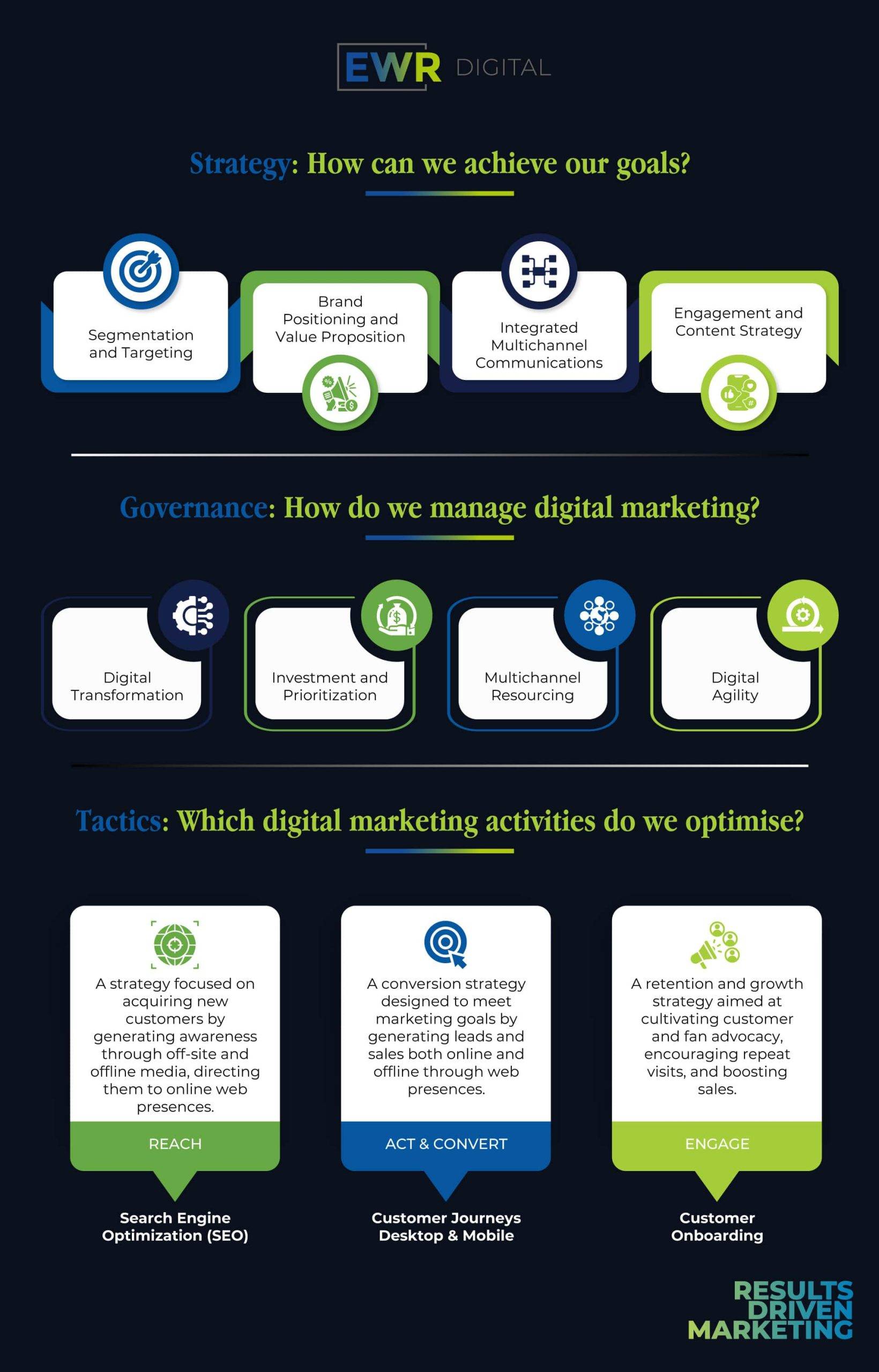
Different stakeholders have different perspectives. Be adaptable, crafting stories and messages that align with the priorities of various target audiences.
magine you’re at the forefront of thought leadership in the oil and gas industry. You understand that stakeholders like investors, regulators, employees, and local communities all have unique perspectives and priorities. So, it’s crucial to be adaptable in your storytelling approach.
For investors, you might craft narratives focusing on innovation, cost-effectiveness, and long-term sustainability. Highlight how your company’s cutting-edge technologies or strategic partnerships are driving growth and delivering value to shareholders.
When it comes to regulators, emphasize compliance, safety, and environmental responsibility. Share stories about your proactive measures to exceed regulatory standards, safeguarding both people and the planet.
For employees, weave narratives that inspire pride and motivation. Celebrate their contributions to the company’s success, and share stories of career growth, training initiatives, and workplace safety measures that prioritize their well-being.
And let’s not forget about local communities. Tailor your storytelling to showcase your company’s commitment to social responsibility, community engagement, and economic development. Share stories of partnerships with local organizations, job creation initiatives, and environmental conservation efforts that benefit the communities where you operate.
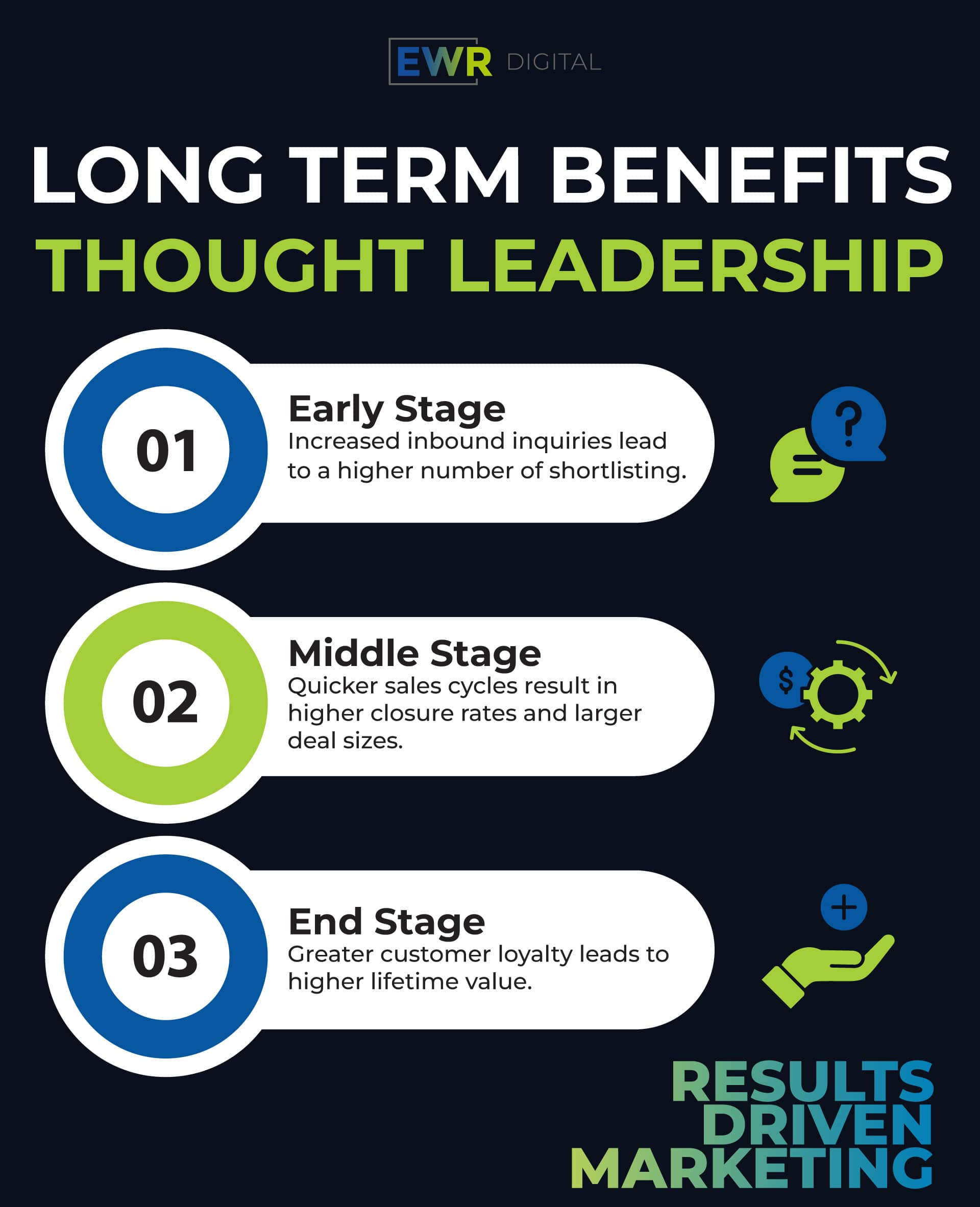
By being adaptable and crafting narratives that resonate with the priorities of each stakeholder group, you can build trust, foster meaningful connections, and position your company as a thought leader driving positive change in the industry.
Measure, Analyze, and Optimize:
Implement metrics to measure the success of your business development initiatives. Identify strategies that yield significant results and focus your efforts on those that contribute 80% of the impact.
It’s all about keeping a close eye on what’s happening, figuring out what’s working like a charm, and then fine-tuning your efforts to make the most impact.
Let’s say you’re drilling for oil. You start by measuring key performance indicators like drilling efficiency and production rates. Then, you dive into the data, analyzing everything from drilling techniques to reservoir performance. And here’s the cool part—you use those insights to optimize your approach. Maybe you discover that a certain drilling method leads to higher production rates with lower costs. Boom! You focus your efforts there, maximizing your returns and minimizing expenses.
Now, let’s talk supply chain. You’re measuring stuff like inventory turnover and transportation costs, right? Then, you crunch the numbers, looking for any bottlenecks or inefficiencies. And when you find them, you’re all about optimization. Maybe you streamline your inventory management or find a more efficient way to transport materials. The result? Smoother operations, lower costs, and happier stakeholders.
And hey, safety’s always a top priority. You’re measuring safety metrics like injury rates and regulatory compliance. Then, you’re digging into the data, trying to spot any trends or areas for improvement. Once you’ve got that figured out, it’s all about optimization. You beef up your safety training programs, tighten up procedures, and invest in tech that keeps everyone safe on the job.
And let’s not forget about asset maintenance. You’re measuring reliability, maintenance costs, and downtime rates. After analyzing the data, you’re tweaking your maintenance strategies, maybe shifting towards predictive maintenance to catch problems before they even happen.
So, whether you’re drilling for oil, managing the supply chain, ensuring safety, or maintaining assets, the “Measure, Analyze, and Optimize” approach is your secret sauce for success in the oil and gas game. It’s all about staying sharp, staying efficient, and making the most out of every opportunity that comes your way.
Establishing a Feedback Loop:
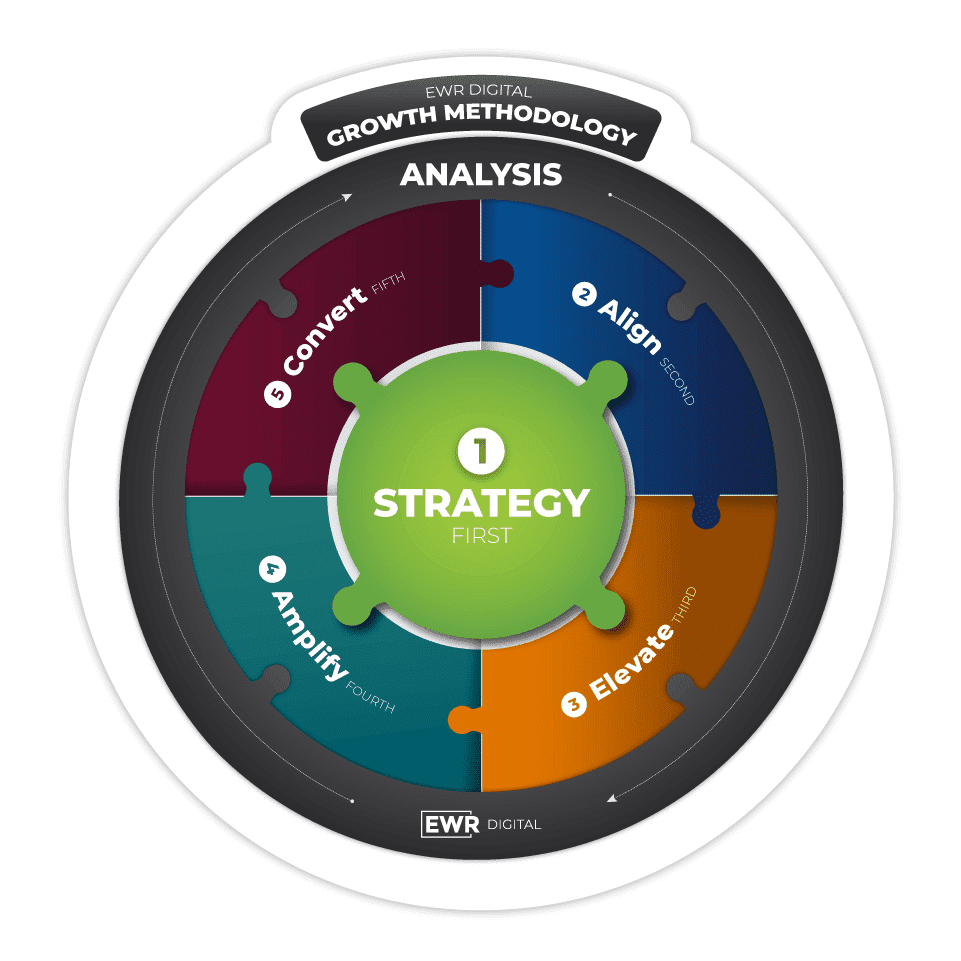
Create a feedback loop channeling insights from business development back to product development, sales, and marketing. Tailor your messaging and content based on the unique needs of various stakeholders.
Accelerate Success:
Once successful strategies are identified, allocate resources to accelerate those initiatives. This targeted approach ensures quicker revenue growth.
These proven strategies serve as a blueprint for our work with clients in the oil and gas industry. We comprehend the unique challenges and opportunities this sector presents, and by implementing these strategies, we’ve witnessed accelerated success.
Setup a call today with one of our oil and gas marketing consultants!

EWR Digital for your Oil and Gas Marketing
 EWR Digital is not just a marketing agency; we are your strategic partner in navigating the intricate landscape of the oil and gas industry.
Trust us with your go-to-market strategy, and here’s why:
Industry Expertise:
With a deep understanding of the oil and gas sector, we bring unparalleled industry expertise to the table. Our team comprehensively grasps the challenges and opportunities unique to your business.
Proven Track Record:
EWR Digital boasts a track record of success, having propelled numerous oil and gas businesses to new heights. Our results-driven approach and client success stories speak volumes about our commitment to excellence.
Tailored Strategies:
We don’t believe in one-size-fits-all solutions. Your business is unique, and so is our approach. EWR Digital crafts tailored marketing strategies that align with your specific goals, ensuring maximum impact and ROI.
Digital Prowess:
In a rapidly evolving digital landscape, we stand out with our cutting-edge digital marketing strategies. From SEO and social media to content creation and data analytics, we leverage the latest tools to elevate your brand in the digital realm.
Customer-Centric Focus:
Your customers are at the heart of our strategy. EWR Digital places a strong emphasis on understanding your target audience, addressing their needs, and creating engaging content that builds lasting connections.
Adaptability and Innovation:
The oil and gas industry is dynamic, and so are we. EWR Digital embraces change, staying ahead of industry trends and technological advancements. Our adaptability ensures your marketing strategy remains relevant and effective.
Transparent Communication:
Communication is key to a successful partnership. EWR Digital prioritizes transparent communication, keeping you informed at every stage. We believe in collaboration and work closely with you to refine strategies for optimal results.
Measurable Results:
Our commitment to measurable results sets us apart. EWR Digital provides comprehensive analytics and regular reporting, giving you a clear understanding of the impact of our marketing efforts on your business objectives.
In the fiercely competitive realm of oil and gas, rely on EWR Digital not merely as a marketing agency but as your dedicated strategic ally, committed to steering you towards unparalleled success. Join us on this collaborative journey as we elevate your brand to unprecedented heights within the industry.