
7 of The Most Effective SEO Strategies
Do you want to create an SEO business plan that will work well for your website?SEO or search engine optimization helps keep your website visible. It’s what puts web pages at the top of or on the first page of search results. It’s such an influential force that makes it a foundation of digital marketing strategies.
However, it takes a lot of work and time before you get to the top ranks. It takes careful planning and a good understanding of a search engine’s algorithm. It may seem like trying to understand a piece of abstract art for those new to the online industry.
To help you out, we made a list of the 7 most effective SEO strategies for your business. Keep reading below to find out about these SEO trends and techniques.

1. Find the Right Keywords
You’ve already likely read about the importance of keywords for your SEO. However, we’ll say it again: find the right keywords. We can’t emphasize this point enough.
Remember, keywords are what your customers and future customers find you.
This is one of the many factors Google uses to rank your website. Without them, your website becomes invisible to your target audiences. Your website gets lost in the wide ocean that is the internet.
When you look at your website, it’s easy to come up with keywords at a glance. For example, your fashion website can use keywords for fashion or pieces of clothing. A website that sells cleaning products can use “kitchen cleaner” or “bathroom cleaner.”
However, you must remember that your competition uses the same keywords too.
Instead, add your brand name to those keywords, so they become unique. You can also target alternative keywords with lower competition. This helps you get a higher ranking faster.
However, be careful about using keywords that are too unique. If they’re too out-of-the-box, your target audiences may not even think to use them when they search online. You’ll end up lagging behind your competition anyway.
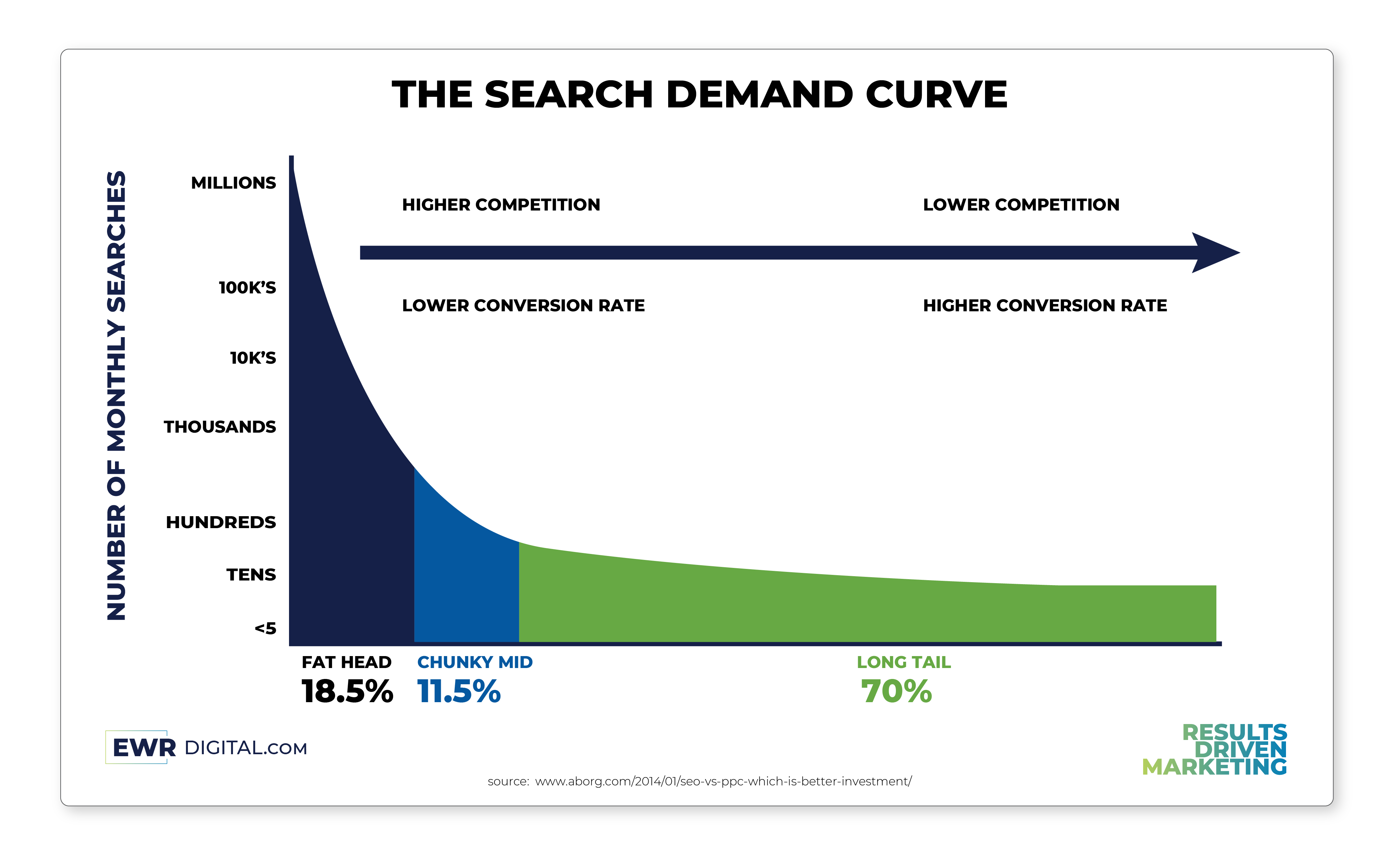
An expert tip is to use a combination of keywords. Use local keywords, long-tail keywords, and short-tail keywords. Having a handful of these will help you rank higher.
Three to five words make up long-tail keywords. A short-tail keyword is your typical keyword that’s 1-2 words long. For local keywords, include phrases like “near me” or the city/state your business is in.
You also need to add keywords for natural spoken language. There’s a growing trend for voice search with smart assistants like Google Assistant. Take advantage of this, so you stay ahead of your competition and on top of the rankings.

2. Learn From Your Competition
Next up our list of SEO trends for business sites is to learn from the competition. Many people like to treat the business world as a “dog-eat-dog” world. Others want to use a cutthroat approach to succeed, while others like to be wily.
Now, we want you to take a look at your SEO business plan. What element of the plan helps you create a brand identity that’s unique from your competition? In a virtual space full of unique sites, what makes your website stand out and worth remembering?
How do you know for sure that your site is different and remarkable from the rest? One way to answer this question is to check out your competition. Research them and learn from them.
Use various websites from your competitors to compare with yours. Create a template for your competitive research. Focus on features, sentiment, on-page, links, and traffic, for example.
Look at what makes their websites rank higher and more visible? What gaps do they have that you can fill? As a tip, look closer at each niche rather than at the site.
When you finish your research, it’s time to get into your competition’s mindset. Remember, you don’t only want to know about them. You want to understand why they did what they did and apply it to your website.
However, you need to keep your target market and goals in mind. Your competition may have a target market that’s very different from yours.
Now, ask yourself, what are specific things you can build into your website to outrank them?
Use the information and insights you gathered to improve your SEO. Avoid the mistakes that other websites made that caused their ranking to plummet. It’s most important to learn how your competition got back from a bad place.
Remember also that your competition can also be a friend. They could work in a different niche, be a referral source or be able to consult on a project when needed. The same goes in our industry there are other seo agencies we work with.
3. Use Content Clusters
Credibility is one of the key factors to gain customers and customer loyalty. One way to establish your credibility is to publish a lot of content, especially if you’re a new competitor. You focus on creating content that displays your expertise in your industry.
You may already have a blog about your products and how to use them. These content types help you create a powerful brand presentation. When you’ve exhausted all topics related to your products, you can shift to other topics that have a connection to your products.
Now, once you’ve published tons of content, you’ll encounter some problems. One, you may notice that it becomes difficult to keep track of everything. That is unless you began with or applied a good tracking and management system early on.
Two, Google’s algorithm will get confused with the pages on similar topics. It can’t rank your pages well. This can affect your rankings as well as your keyword rankings.
Content clustering helps you compartmentalize topics and keep Google from getting confused. It’s like having a drawer for miscellaneous items where you place everything in it. Instead, you want a bunch of drawers to keep everything organized.
If you do this, Google then understands that your pages each belong in a “folder” or a “book.” Each of the posts covering a larger topic is a chapter of that book. Google gets a clearer picture of your pages, and it can rank them without any confusion.

4. Create a FAQ Page for Google
It’s no surprise that most people conduct their searches on Google instead of Bing or other contemporary search engines. It’s no wonder businesses and other sites love catering to Google’s algorithms.
You can rank higher on Google by taking advantage of the “People also ask” segment.
Remember that not everyone has the instinct to ask Google questions. Some only place keywords or phrases. After that, they make more specific searches on the subjects they want to know more about.
Google made it easier for users by adding the “People also ask” feature. This way, it’s easier to read about related questions. This means it’s the perfect time to create an FAQ Page if you don’t have one yet.
As you know, on an FAQ, you write down questions often asked. Of course, you’ll also have to include detailed answers to those questions you include. This makes it easier to handle customer service inquiries.
Now, you may think that there’s no reason for people to go on your site anymore. However, adding an FAQ is a win for you. If you publish an FAQ and Google picks up on the questions included in it, you can rank higher.
After all, you are providing your visitors with relevant content. You are giving people an amazing Google experience. Because of these two things, your ranking goes up.
5. Optimize for Mobile
Do you notice how many hours you spend on your smartphone per day? How often do you look things up on your mobile phone? Have you ever tried opening your website through a mobile device?
You need to create an SEO business plan that rings with the times. This includes optimizing your website for mobile users. It’s not enough that you optimize your website for desktop computers anymore.
81% of American adults have smartphones. Without a doubt, people are using their smartphones to connect to the internet. Shopping, online searches, and social media are some of the top activities online.
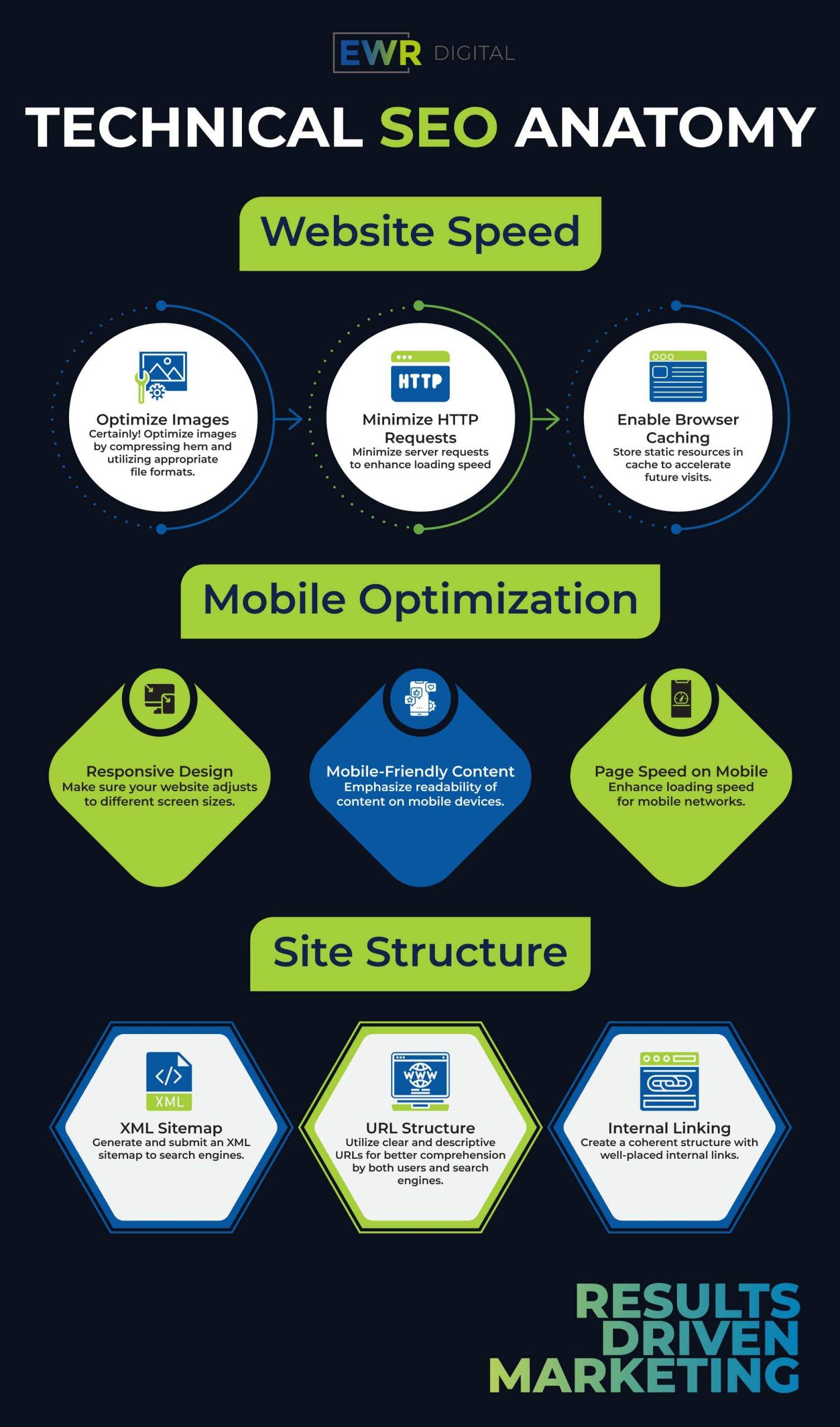
To do this, it’s always good to ensure your website has quick mobile response times. The layout of the site also needs to adjust to the smaller screens of mobile devices. Also, don’t forget to do something about images that take too long to load on mobile.
Why do you need to keep mobile in mind? This is because Google has Mobile First indexing. This means it gives higher rankings to mobile-friendly websites.
6. Use Backlinks
Creating quality backlinks is an effective way to keep up with your SEO business plan. If you don’t know, backlinks are links on another website that brings the viewer to your website. Google values backlinks and will give pages with quality backlinks on higher rankings.
The reason for this is that it gives credibility to your website. It’s even better if more websites place backlinks to your website. Note that you also need your outside sources to be credible and relevant to your content.
Imagine a person who everyone talks about and often refers to for information. You don’t know that person, but everyone is talking about him or her. Even if only in your subconscious and though it’s indirect, that person already makes a good impression on you.
For example, let’s take a look at influencer marketing and how it focuses on creating backlinks. Eighty-six percent of marketers use influencer marketing to reach wider audiences. If you notice influencer posts, they always include links that go back to the product owner.
Influencers that have a larger following have an even bigger effect. Their profiles and websites revolve around promotion, but they rely on backlinks too.
You may be wondering now, how do I get other sites to link back to mine?
First, you must make sure your content is worth linking back to. Write articles that are educational, informative, and entertaining. If you want to, you can also create an FAQ page, as we mentioned earlier.
After that, reach out to other sites. As a tip, get in contact with authoritative or influential sites. It would look better for your site if a more popular and credible site made a backlink to you.
You can also talk to the site moderators about working together. This way, both of you enjoy an effective backlink strategy. At least you’d already have a “backlink partner” for future posts.

7. Monitor Progress and Adjust Your SEO Business Plan
NASA won’t launch a rocket to space and then forget about the project. Apply the same logic to your SEO business plan. Think about all the work you put into creating a strategy and putting it in motion.
Yes, it will take a while before you see results. However, this doesn’t mean you can leave it unattended until the estimated time for your results to show. You can do it, but that’s not a wise move.
Track your progress. Use analytics to create progress reports. This way, you know if your SEO plan is effective or if you need to tweak it.
Suppose you feel that you don’t have time to track your progress; use tools. There are tons of SEO tools in the market for keeping track of your search engine ranking, checking web traffic, and more. You can even use these tools to see which one of your content is performing best.
These analytics are key to measuring the success of your SEO business plan. With them, you find out which strategy works best for your website. You also discover which strategies aren’t working for you.
Start Boosting Your SEO Ranking

SEO is always evolving with technology. There will always be new trends you need to learn about and adjust to. There will also be trends that will become the norm and old trends that are likely to return like seasons.
Keeping up with these changes will put you at the top of the rankings. Remember, adaptability is a huge driver for the success of your business. As it is with life and evolution, you must learn to adapt or get left behind in the dust.That’s it for our guide on the seven SEO strategies you need for your SEO business plan. If you want to know more about creating efficient SEO plans, check out our blog for more. Talk to us if you have inquiries about SEO or if you want to know more about our services.