
Competing and growing your business in today’s digital world requires a multifaceted, multimedia marketing plan built to effectively promote your company, services, and products. An efficient way to improve your company’s visibility on the internet is through search engine optimization, also called SEO.
Throughout this article, we will explain what SEO is and how it works, the importance of SEO, and how you can use SEO to grow your business. Let me try to explain it in a story:
Once upon a time, in a bustling digital realm, there were two websites competing for the attention of online visitors. The first website, let’s call it “Site A,” had a visually stunning design with captivating content and impressive features. The second website, “Site B,” had a more modest design, but its content was carefully crafted, optimized, and aligned with search engine algorithms.
Site A relied solely on its visual appeal and assumed that visitors would naturally find their way to the website. They didn’t pay much attention to SEO and believed that their exceptional design would be enough to attract a substantial audience.
On the other hand, Site B recognized the power of SEO and implemented a well-thought-out strategy. They conducted extensive keyword research to understand what their target audience was searching for. They optimized their website’s structure, ensuring easy navigation and fast loading times. Site B also produced high-quality, informative content that addressed the needs and interests of their potential visitors.
As time passed, Site A eagerly awaited a flood of visitors but found themselves disappointed. Their beautiful website remained hidden in the depths of search engine results pages. They struggled to attract organic traffic and relied heavily on paid advertising to generate visitors.
Meanwhile, Site B steadily climbed the search engine rankings. They started appearing on the first page of search results for relevant keywords. As a result, their organic traffic soared, and visitors began to discover the value they provided. People were finding answers to their questions, solutions to their problems, and engaging content that resonated with their interests.
Site B’s diligent SEO efforts continued to pay off. As their visibility increased, so did their brand awareness. They became recognized as a trusted authority in their industry. Visitors started recommending their website to others, and positive word-of-mouth spread.
Noticing the success of Site B, Site A began to reevaluate their approach. They realized the crucial role that SEO played in their online presence and decided to make changes. They optimized their website, conducted keyword research, and focused on providing valuable content.
Over time, Site A’s visibility improved, and their organic traffic started to increase. However, they faced an uphill battle to catch up with Site B, who had already established a strong online presence.
This story highlights the importance of SEO in the competitive digital landscape. Site B’s commitment to understanding and implementing effective SEO techniques led to long-term success. By optimizing their website and aligning with search engine algorithms, they attracted organic traffic, gained visibility, and built a loyal audience.
The tale of Site A serves as a reminder that a visually appealing website alone is not enough. Without SEO, even the most exceptional design may remain hidden and fail to reach its intended audience.
In the end, the story emphasizes that investing in SEO is not just about rankings or traffic numbers. It’s about connecting with the right audience, providing value, and ultimately achieving online success. By embracing SEO, businesses can unlock the potential to thrive in the vast digital realm and make their mark on the world wide web.
What Is SEO?
SEO is the process of improving the organic or natural visibility and ranking of your website, webpage, or blog in search engine results pages (SERPs). It also refers to optimizing your website content to attract and engage the attention of people searching the internet for information via search engines like Google and Bing. The higher your website, webpage, or blog is placed on the search results list, the more likely it is that visitors will see your business.
What does that really mean though? Let me try it in a “story format” that is hopefully easier to understand:
Once upon a time, in a land known as the Digital Kingdom, there was a wise and enterprising website owner named Alex. Alex had a dream of sharing their passion for handmade jewelry with the world. They had created a beautiful website showcasing their exquisite creations, but there was one problem – nobody knew it existed.
One day, while strolling through the bustling streets of the Digital Kingdom, Alex overheard a conversation between two merchants. They were discussing a magical power called SEO, short for Search Engine Optimization. Intrigued, Alex approached the merchants and asked them to explain this mysterious concept.
The first merchant, who had neglected SEO, had a store filled with remarkable jewelry, but it remained hidden in the depths of the internet. “SEO is the key to unlocking the visibility of your website,” the second merchant explained. “It’s like a map that guides search engines to your virtual doorstep.”
Eager to learn more, Alex embarked on a quest to discover the secrets of SEO. They consulted sages and studied ancient scrolls that held the knowledge of search engine algorithms. Alex learned that SEO was not some magical incantation but rather a combination of carefully crafted strategies.
They discovered that SEO involved optimizing their website’s structure, enhancing its content, and aligning with the interests and needs of their target audience. By conducting thorough keyword research, Alex knew exactly what their potential customers were searching for and how to connect with them.
With newfound knowledge, Alex implemented SEO techniques. They meticulously organized their website, ensuring that search engines could easily navigate and index their pages. They crafted compelling and informative product descriptions, incorporating relevant keywords to attract the attention of search engine crawlers.
To their delight, as the days went by, Alex’s website began to appear in the top search results for keywords related to handmade jewelry. Their online presence grew, and visitors started pouring into their virtual store. Each click brought a potential customer closer to discovering the beauty of their creations.
Word quickly spread about the remarkable jewelry that Alex offered. Customers praised the website’s ease of use, informative content, and seamless shopping experience. Thanks to SEO, Alex’s website became a beacon in the vast ocean of the Digital Kingdom.
As time went on, Alex’s website continued to thrive. They built a loyal customer base, gained recognition as a trusted brand, and expanded their reach beyond the Digital Kingdom’s borders. All this was possible because SEO had unlocked the door to their virtual store, allowing customers from far and wide to discover the magic of their handmade jewelry.
The story of Alex and their journey through the realm of SEO teaches us that having a remarkable website is only the beginning. Without SEO, it’s like having a beautiful shop in a remote corner of the kingdom, hidden from the eyes of potential customers.
SEO empowers website owners to stand out in the vast digital landscape. It guides search engines to their virtual doorstep, ensures their message reaches the right audience, and opens the doors to endless possibilities.
So, dear reader, remember the tale of Alex and the power of SEO. Embrace it, and watch as your online presence flourishes, your audience grows, and your dreams become a reality in the ever-expanding Digital Kingdom.
How Does SEO work?
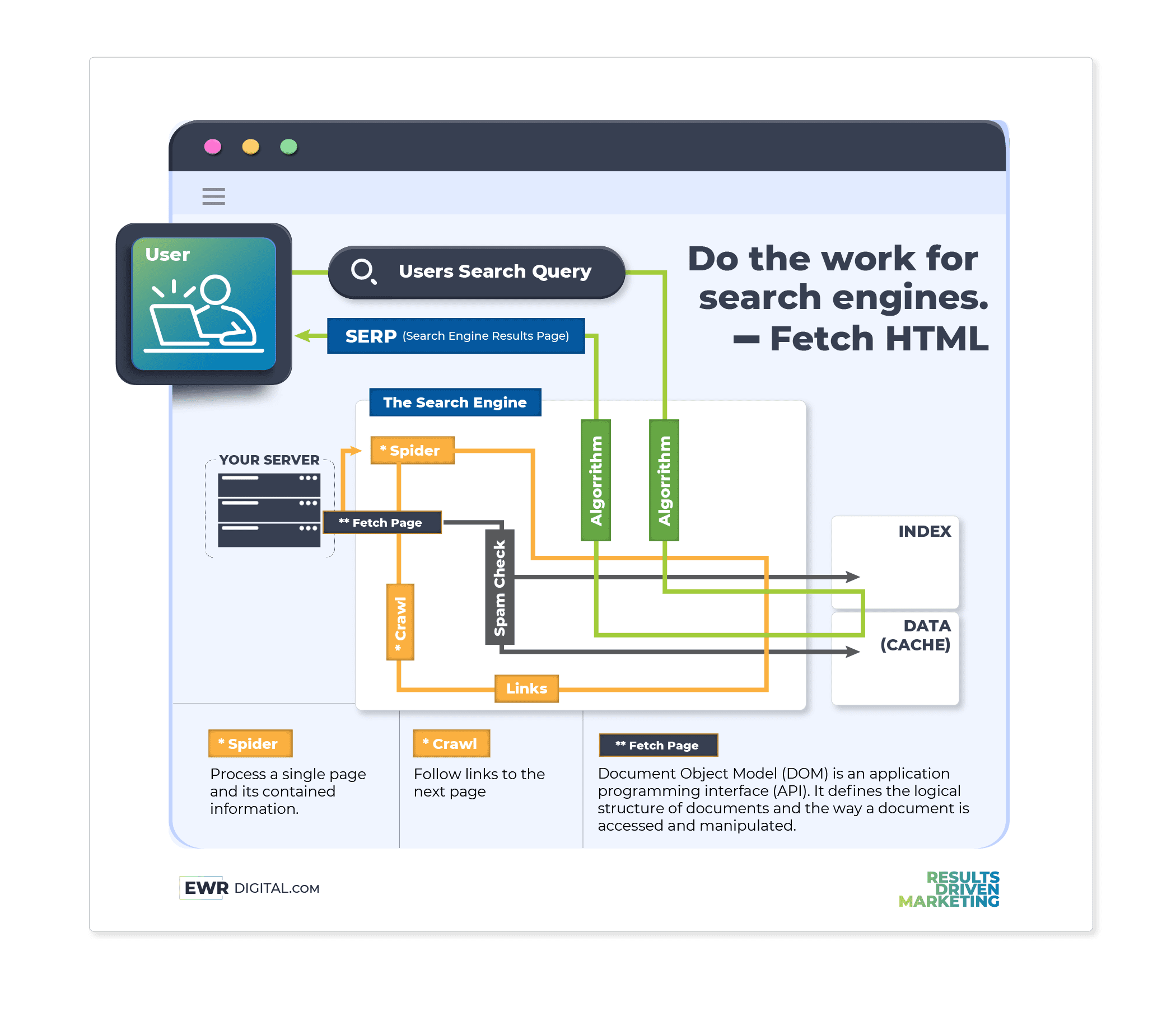
SEO involves an understanding of how search engines work, which search engines your targeted audience prefers, what your target audience searches for, and the precise search terms or keywords your target audience types into search engines. It also involves understanding the criteria the different search engines use to rank websites and webpages. The most common factors include if your website:
- Contains relevant search content.
- Loads quickly and efficiently.
- Is safe and free from viruses and malware.
- Has a good reputation, including having other sites reference or link to you.
- Is appealing to visitors and encourages them to spend time on your website.
With the knowledge above, SEO works to improve your visibility in three ways:
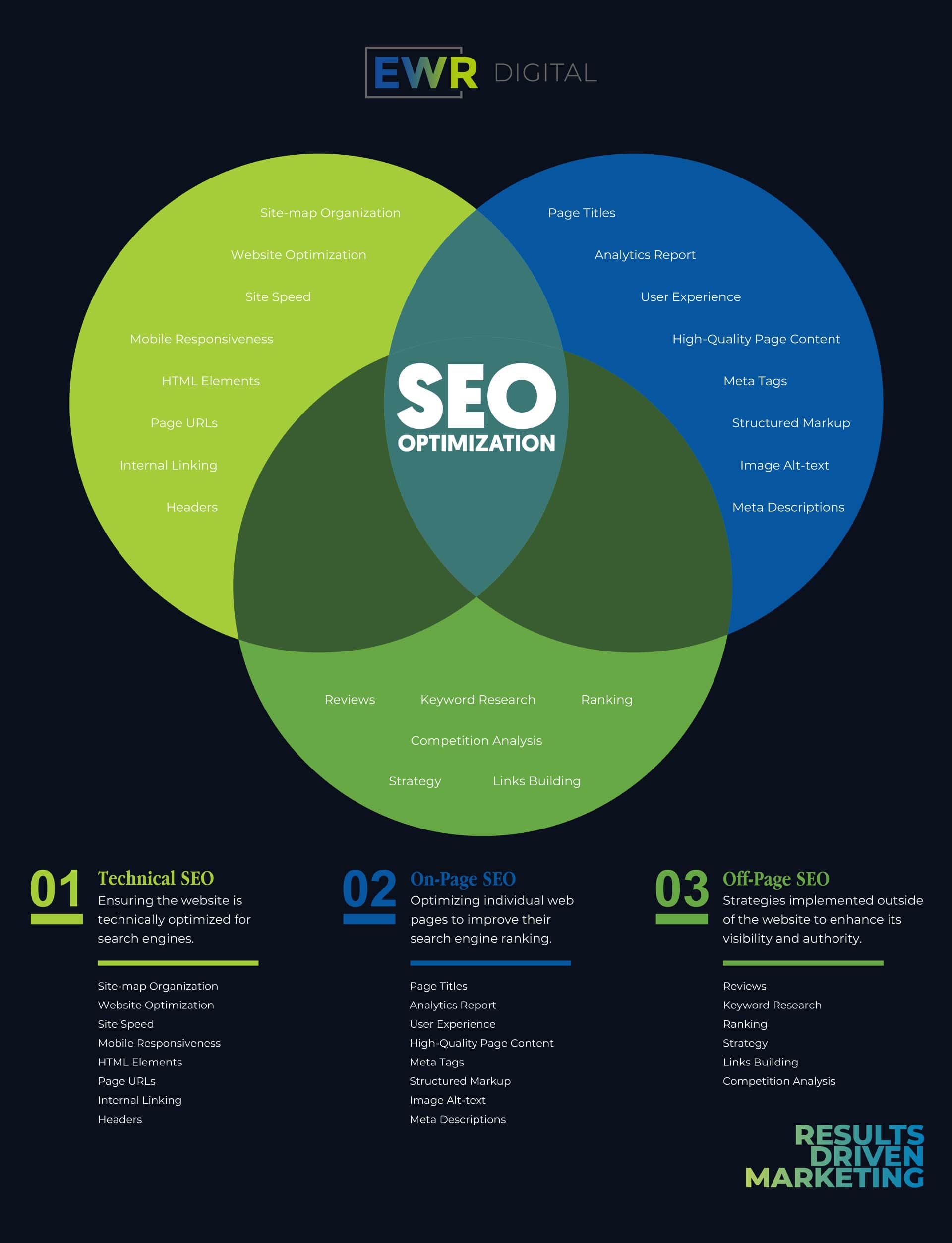
- Optimizing a website’s content, structure, and design. Optimization involves editing your website’s content, HTML, and other website coding to improve its relevance to certain keywords.
- Conduct keyword research to identify frequently used and targeted keywords to improve conversions and traffic to your site.
- Earning inbound links or links from other sites that link to or forward visitors to your website, improving your ranking in search engine result pages.
What Is the Importance of SEO?
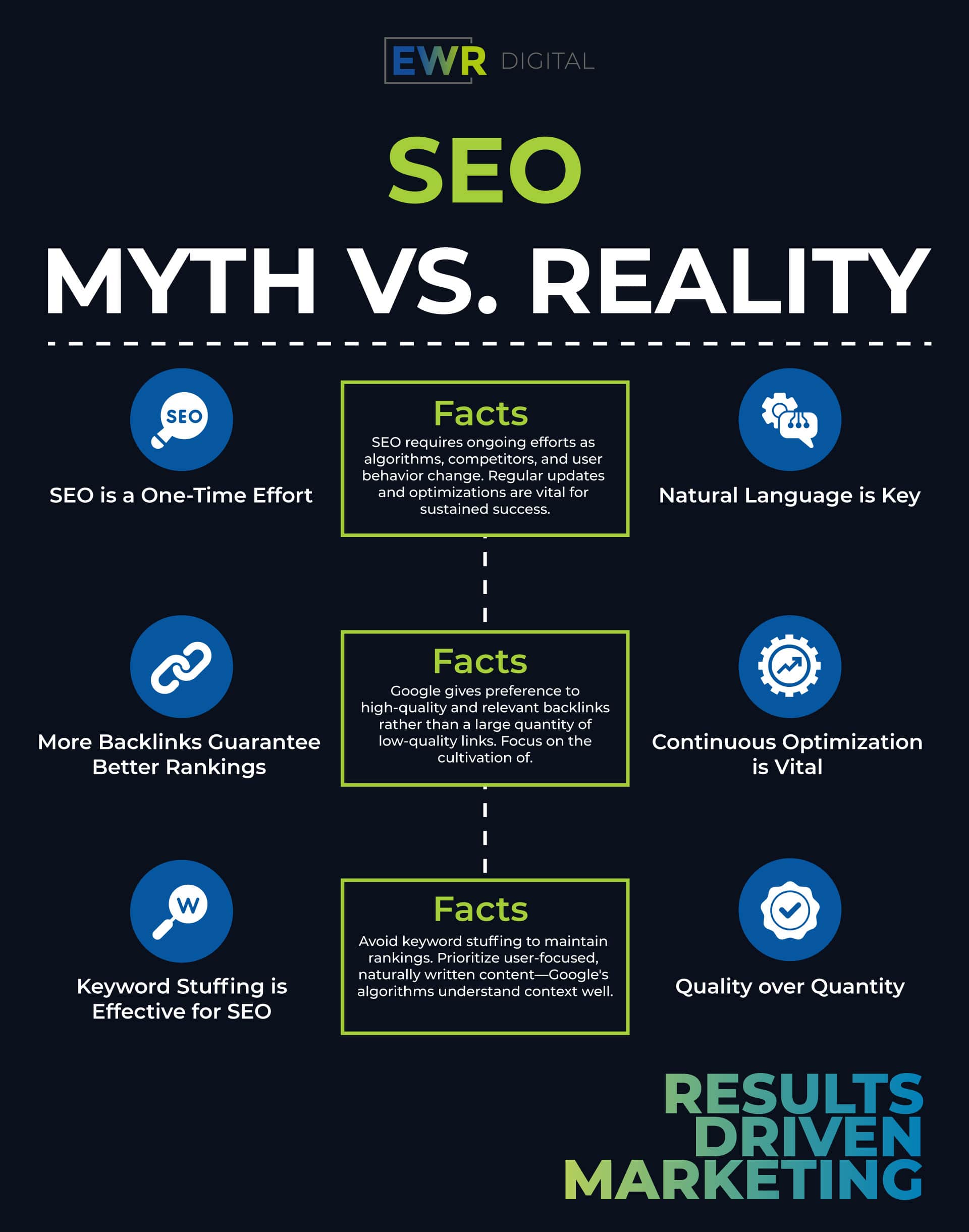
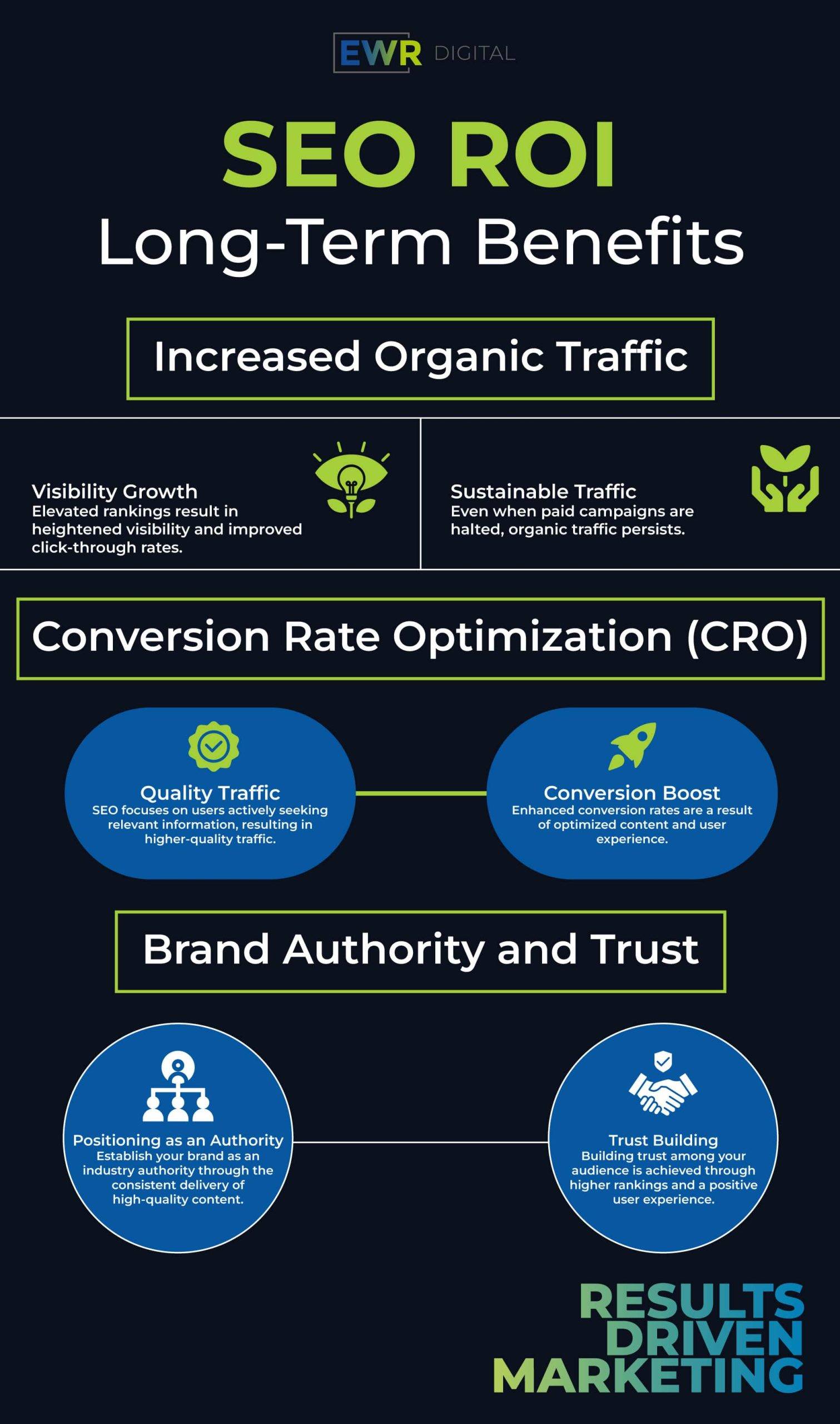
Considered an essential marketing activity, SEO plays a pivotal part in your company’s ability to attract and retain customers. It is an ever-evolving process that requires you to stay abreast of both search engine updates and customer changes. It’s a marketing strategy that continues to provide benefits in the long term.
Optimizing your website for search engines puts you at a higher ranking, which allows you to attract new visitors and convert those visitors into long-term customers. If you fail to optimize your website for search engines, you risk losing customers and ranking to your competitors.
Here are some more examples “through stories” that may help you better understand:
-
- The Invisible Bookstore: Imagine a world where books are stored in an invisible library. You’ve written a masterpiece, but it remains hidden among the vast collection. Without SEO, your website is like that invisible bookstore. SEO is the magic spell that makes your website visible, helping readers find and appreciate your literary brilliance.
- The Starving Restaurant: In a bustling city filled with countless restaurants, there’s a small, family-owned eatery struggling to attract customers. Their delicious dishes go unnoticed because they lack visibility. SEO acts as a guiding light, leading hungry diners to their door, showcasing their delectable menu, and transforming their once-starving restaurant into a thriving culinary destination.
- The Lost Traveler: Imagine being lost in a foreign land without a map or compass. Every turn leads to confusion and frustration. Without SEO, your website is like that lost traveler, struggling to find its way amidst the vast digital landscape. SEO acts as a reliable guide, directing internet users to your website, helping them navigate through the virtual realm, and ensuring they discover the treasures you have to offer.
- The Neglected Art Gallery: In a world where art galleries are bustling with visitors, there’s an exquisite gallery tucked away in a forgotten corner. The masterpieces within its walls gather dust, unseen and unappreciated. SEO is the curator who breathes life into the gallery, attracting art enthusiasts from far and wide, ensuring the beauty of the artwork is showcased to the world, and bringing recognition and success to the neglected gallery.
- The Silent Musician: Imagine a gifted musician pouring their heart and soul into creating beautiful melodies, but their music remains unheard. Without SEO, your website is like that silent musician, playing to an empty room. SEO acts as the symphony conductor, ensuring your music reaches the ears of your desired audience, resonating with their souls, and transforming your hidden talent into a symphony of success.
- The Lonely Shopkeeper: In a vibrant marketplace buzzing with shoppers, there’s a shopkeeper with an extraordinary collection of unique products. However, their shop stands empty, devoid of customers. Without SEO, your website is like that lonely shopkeeper, yearning for visitors to explore their offerings. SEO acts as a charismatic promoter, spreading the word about your shop, attracting a steady stream of eager customers, and turning your business into a thriving hub of commerce.
- The Unread Author: In a world where countless authors compete for readers’ attention, there’s a talented writer whose manuscripts collect dust on the shelf. Without SEO, your website is like that unread author, lost amidst a sea of books. SEO acts as a literary agent, ensuring your works are discovered, captivating readers with your words, and propelling you to literary success.
Remember, SEO is not just a technical tool but a gateway to unlocking your website’s potential. It bridges the gap between obscurity and success, visibility and invisibility, ensuring your digital presence shines brightly in the ever-expanding online realm.
Using SEO for Business Growth
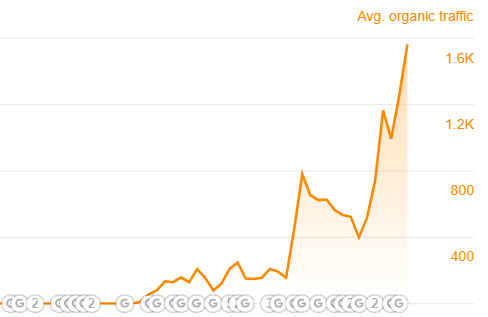
Considering the benefits of SEO, it’s no surprise the importance of using SEO for business growth has become the focus of many companies. By optimizing your website for search engine optimization, you can leverage those benefits to grow your business and you can see increased traffic from online search engine users. This increased traffic can result in improved business growth. The following five tips are effective ways of using SEO for growing your business:
- Increasing your company’s visibility through higher rankings and the use of relevant keywords.
- Building your company’s credibility and reputation by creating new content and updating older content to reflect customer changes.
- Improving your relationship with customers by understanding their needs and wants.
- Strengthening your relationship with local businesses through inbound and outbound linking.
- Working with a digital marketing company that specializes in SEO marketing like EWR Digital. These companies are knowledgeable about the ever-changing SEO environment and know the best techniques to optimize your website and content.
SEO is a cost-effective and efficient way to help your business grow. By using SEO to develop your website and digital content, you not only improve your visibility but also help to nurture long-term relationships with customers and other businesses. It helps you to bring in leads, enhance your credibility, and ultimately lead to increased sales.
EWR Digital is a nationally recognized full-service digital marketing agency specializing in end-to-end digital solutions from enterprise SEO to branding. Our highly qualified SEO consultants use the most up-to-date information and internet marketing tools to help grow your company’s SEO ranking. Contact us to discuss your SEO and digital marketing needs.