

The Power of SEO for your Business
When a consumer is looking for information or a business using a search engine, they typically click the first page of results. Using Search Engine Optimization (SEO) tactics allows companies to appear in the most noticed results, exponentially catapulting their web traffic and visibility. That prominence in the first pages of the Serps creates a more competitive market and leads to a higher income stream for the business. That is the power of SEO.
So, why wouldn’t businesses use this powerful marketing tool ever created (Google) to create more visibility creates customer interactions and increases profit? The answer is that you should!
Why SEO marketing?
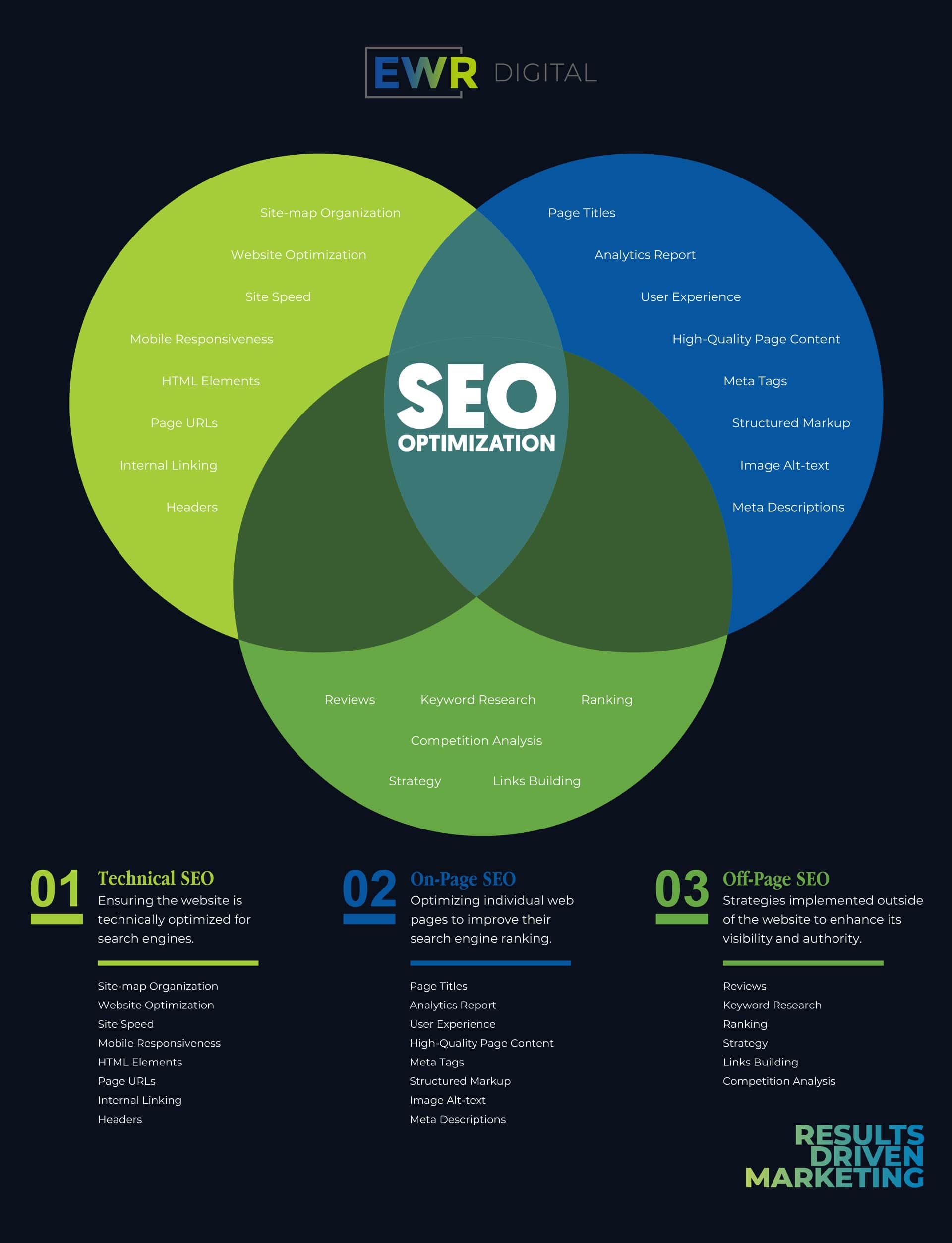
You want new customers don’t you? Search Engine Optimization marketing uses a understanding of the search engines along with tools and strategies to boost web visibility, generate brand awareness, and increase revenue through the search engines. First, a market analysis is performed to discover trending keywords within the target audience and gain insight into the competition and where the site is currently ranking. Then, the focus shifts to content creation to build “keyword availability” and SEO signals across the website so Google understands what the website is about.
There are a few steps needed to create comprehensive SEO marketing plans that make a business’ content more relevant to its target audience. A quality SEO campaign could differentiate a customer choosing a small business that has a personality and and a clear USP over a mega-brand that has a lack of identity check a few of them out below:
Create high-quality, relevant content
Remember – content is not just text on a webpage but also videos, infographics, blogs, and social media posts. Generating content for your website must be engaging, informative, and considerate of the target audience. If you cannot provide content at this level, hire someone who can. The focus should always remain on content quality, ensuring that relevant keywords are used frequently throughout your company’s digital presence to answer the query of the user that you are trying to reach.
In the world of search engine optimization (SEO), answering the search intent query is of paramount importance. Search intent refers to the underlying motivation or purpose behind a user’s search query. Understanding and fulfilling the search intent is crucial for several reasons:
- User Satisfaction: Search engines like Google aim to provide the best possible search experience for users. When a user enters a search query, they have a specific intent in mind, whether it’s to find information, make a purchase, solve a problem, or perform any other action. By aligning your website content with the search intent, you can deliver what users are looking for, leading to higher user satisfaction and engagement.
- Improved Click-Through Rates (CTR): When your website content directly addresses the search intent, it increases the likelihood of users clicking on your search result. Users are more likely to click on a result that promises to provide the information or solution they are seeking. By optimizing your content to match search intent, you can attract more clicks and drive higher organic traffic to your website.
- Enhanced User Experience: Addressing the search intent improves the overall user experience on your website. Users want to find relevant and useful information quickly and easily. By delivering content that precisely matches their intent, you provide a seamless and satisfying user experience. This can lead to longer on-site engagement, lower bounce rates, and higher chances of conversions or desired actions.
- Targeted Traffic: By aligning your content with search intent, you attract targeted traffic to your website. When users find the exact information they were searching for, they are more likely to engage further, explore other pages on your site, and convert into customers or subscribers. This targeted traffic is more valuable as it increases the chances of achieving your business goals.
- Search Engine Rankings: Search engines strive to provide the most relevant results for search queries. By optimizing your content to answer the search intent, you increase the chances of ranking higher in search engine results pages (SERPs). Search engines analyze user behavior metrics, such as click-through rates and time spent on page, to determine the relevance and quality of your content. If your content consistently meets user search intent, search engines are more likely to reward your website with higher rankings.
- Competitive Advantage: Understanding and catering to search intent gives you a competitive edge. By consistently delivering content that meets user needs and surpasses competitor offerings, you can differentiate your website and brand. This can result in higher visibility, increased brand authority, and a stronger position in the market.
To effectively address search intent, it’s important to conduct thorough keyword research and analyze the types of queries users are making. By crafting relevant and comprehensive content that directly answers those queries, you can ensure that your website becomes a go-to resource for users, ultimately driving more organic traffic, engagement, and conversions.
Targeted keyword analysis
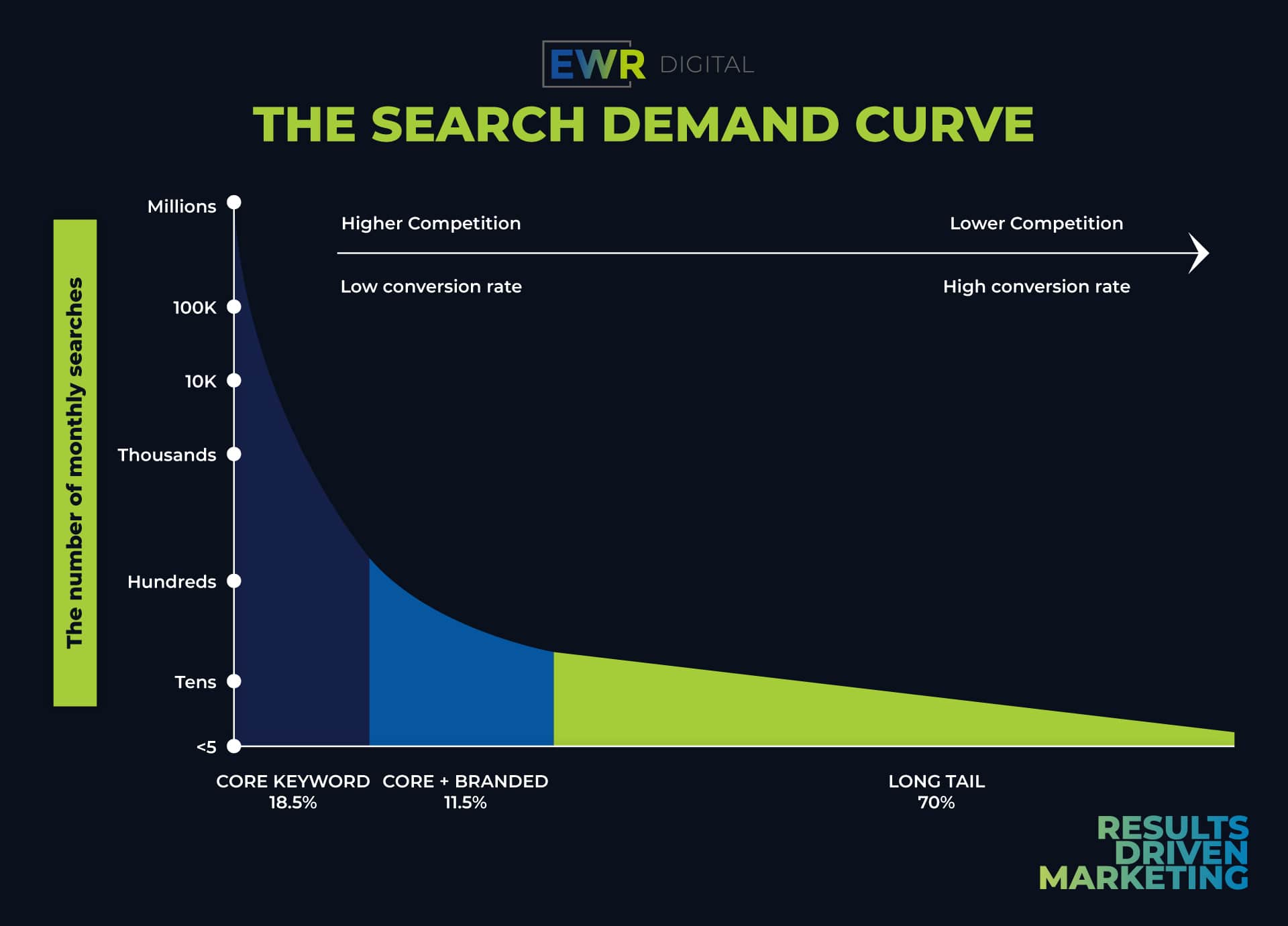
The words published on your business’ website often serve as the primary bridge between you and your customer. When you are knowledgeable about your audience and your competition, you can strategically tailor your content to include the repetition of frequently searched words and phrases. The research required to optimize keyword performance within SEO marketing allows businesses to gain three main insights: new keyword options, keyword search volume, and keyword competition.
Strategic backlink building
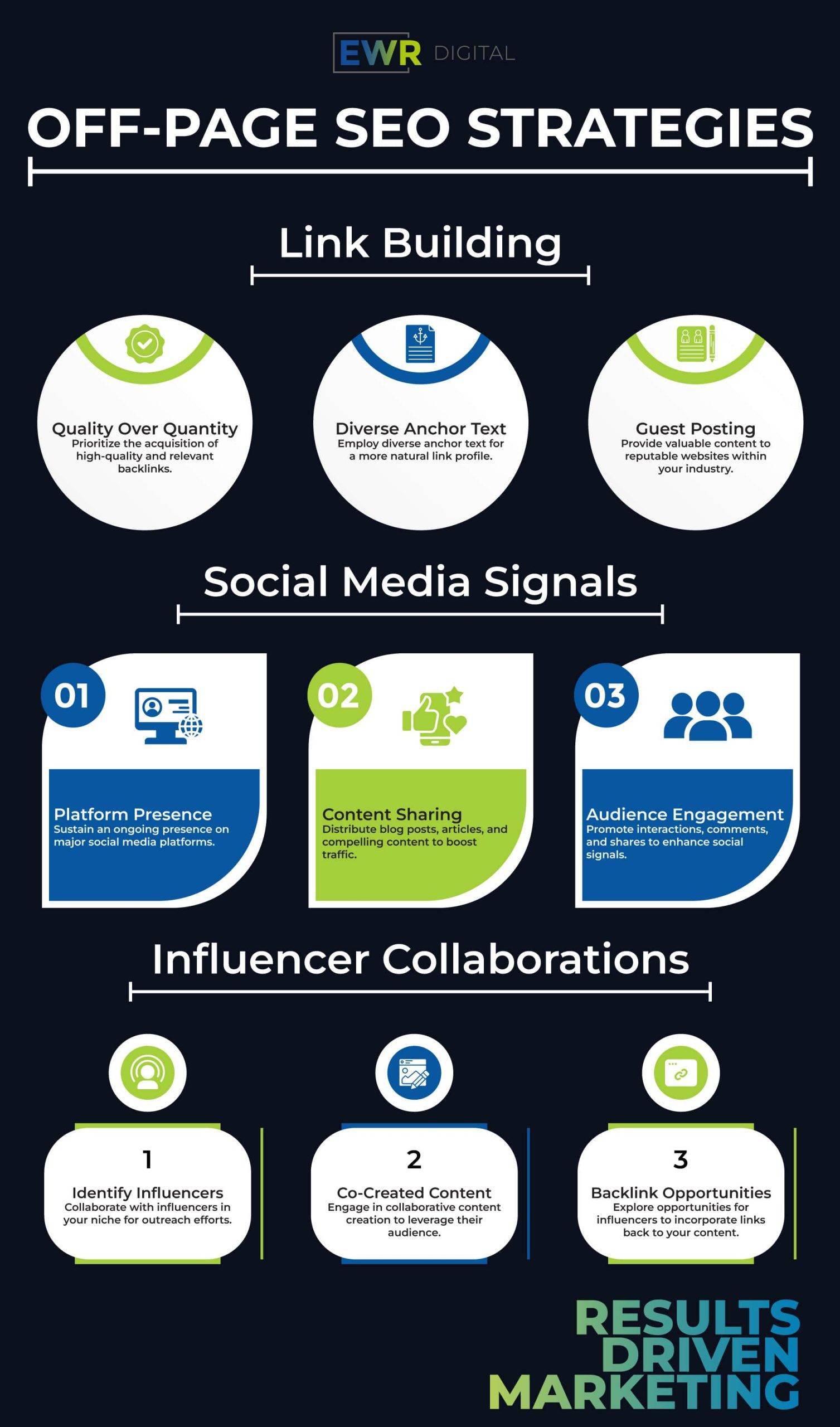
Backlinks are links from one website to a page or destination on another website. Google, the world’s primary search engine, considers backlinks in its search engine rankings algo. The more links your website contains to trustworthy, credible sources, your web visibility will increase. Also, creating quality content allows other websites to use your business’ content as a backlink, increasing your web traffic.
Google considers backlinks as an important factor in its search algorithm. Backlinks, also known as inbound links, are links from external websites that point to your website. Google views backlinks as a vote of confidence or a signal of trust from other websites. Here’s how Google uses backlinks in its search algorithm:
- Authority and Trust: Google sees backlinks as an indication of a website’s authority and trustworthiness. When reputable and authoritative websites link to your content, it signals to Google that your website is credible and provides valuable information. The more high-quality backlinks you have from authoritative sources, the higher your website’s perceived authority and trust in Google’s eyes.
- PageRank: Google’s original algorithm, called PageRank, heavily relied on backlinks to determine the importance and relevance of webpages. PageRank assigns a numerical value to each webpage based on the quantity and quality of backlinks it receives. Pages with more backlinks from authoritative websites are considered more important and tend to rank higher in search results.
- Link Context: Google analyzes the context of the backlinks to understand their relevance. It looks at the content surrounding the backlink, the anchor text used in the link, and the relationship between the linking page and the linked page. Relevant and contextually appropriate backlinks carry more weight in Google’s algorithm.
- Link Diversity: Google considers the diversity of backlinks pointing to your website. Having a wide range of domains linking to your site indicates that your content is valuable and appealing to different sources. It’s important to have a diverse backlink profile with links from various domains, rather than relying on a few sources.
- Link Quality: Not all backlinks are created equal. Google assesses the quality of the linking website. Links from authoritative and reputable sites hold more weight in Google’s algorithm than links from low-quality or spammy sites. Quality backlinks come from trusted sources, industry influencers, and relevant websites within your niche.
- Link Growth and Natural Patterns: Google looks for natural link growth patterns over time. A sudden influx of backlinks or an abnormal link profile can raise red flags and trigger penalties. It’s important to acquire backlinks organically and steadily, demonstrating that your website’s popularity is growing naturally.
- Link Penalties: Google penalizes websites that engage in manipulative or spammy practices to acquire backlinks. Buying links, participating in link schemes, or engaging in excessive link exchanges can lead to penalties and a drop in search rankings. It’s essential to focus on acquiring high-quality backlinks through legitimate means.
While backlinks remain an influential ranking factor, Google’s algorithm has evolved to consider other factors as well, such as content relevance, user experience, and mobile-friendliness. Backlinks are just one piece of the puzzle, but they continue to play a significant role in determining a website’s visibility and rankings in Google’s search results.
Why SEO for your business?
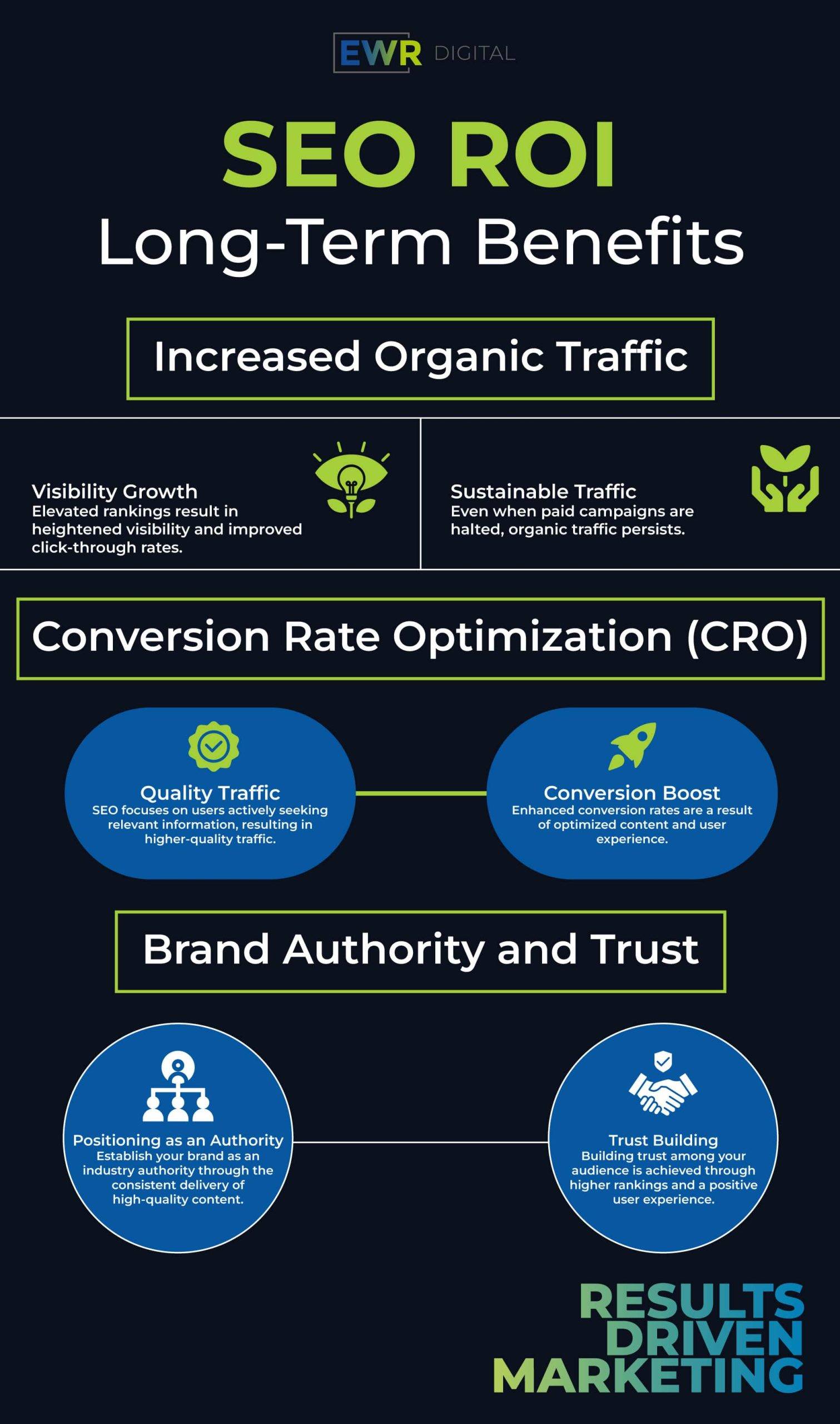
An SEO campaign for your business increases visibility, credibility, brand awareness, and customer engagement. As a result, return on investment (ROI) grows. Even more so, the importance of a quality SEO campaign intensifies when the competition is full of well-known and trusted brands.
For example, when a potential client enters “Atlanta dry cleaners” into a Google search, they will rarely advance past the first page of results. According to a newly published study, The average organic CTA of position on a results page is 28.5%, with the second at 15% and the third at 11%. This data indicates that more than half the searchers are clicking within the top 3 results, and a business must frequently use the most popular search engine keywords throughout its website’s front and back-end to consistently appear in these priority search results.
Create a strategic SEO campaign
The importance of SEO campaigns grows when the competition is full of well-known and trusted brands. The intention is to generate enough traffic to produce more business, leading to more visibility and brand awareness. SEO marketing campaigns promote your trustworthy and influential voice in your field, ultimately leading to brand allegiance.
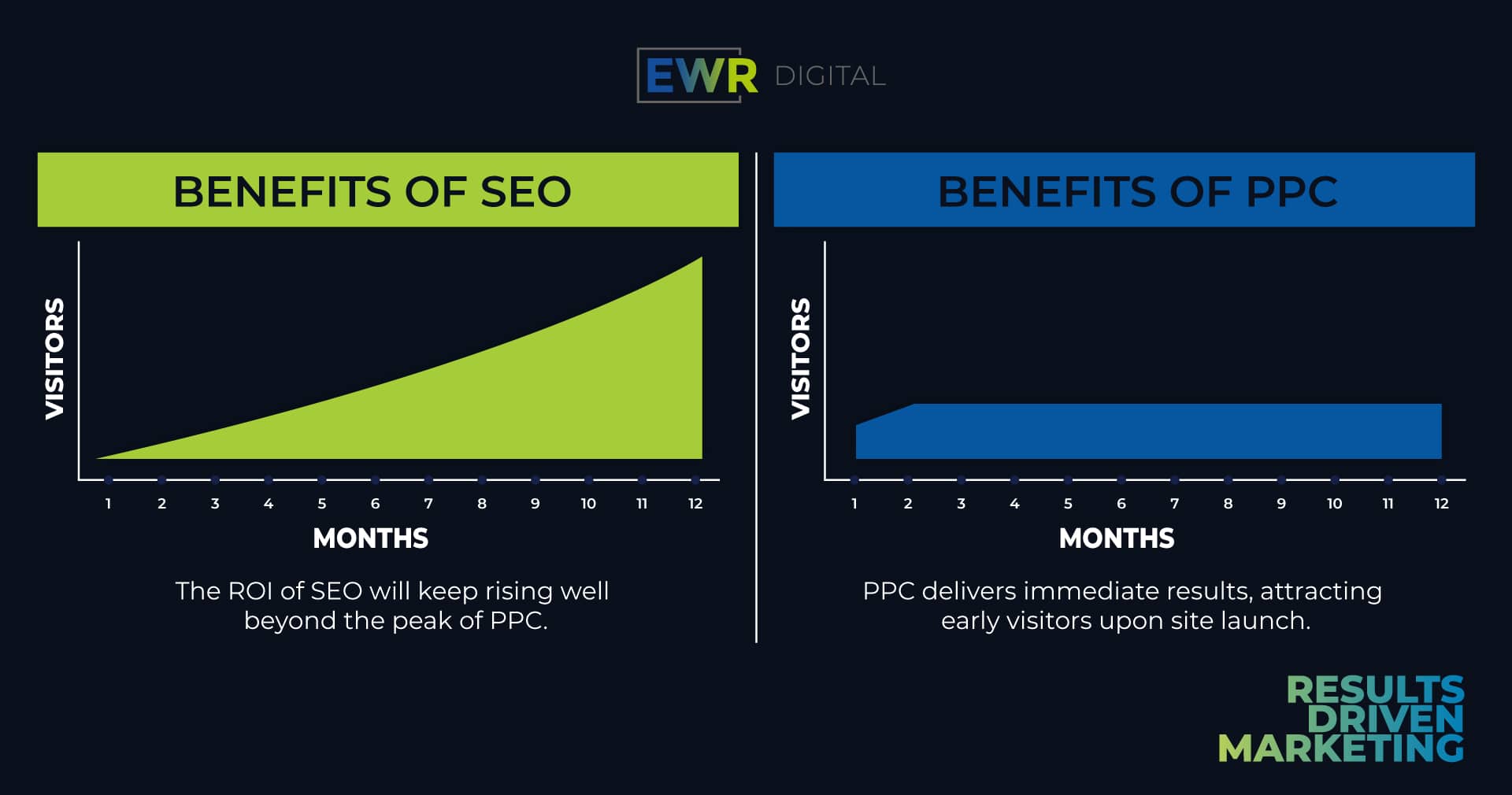
A strategic SEO campaign analyzes the benefits and shortcomings of both organic and paid searches. It could be financially advantageous for your company to pay for search engine marketing (SEM), leading to high-visibility search results containing the tag “ad” or “sponsored.” Though some customers ignore those denotations, many will choose to continue scrolling to find a more organic result. Using organic searches can save your company thousands in high marketing costs while still garnering “better in some cases” than the traffic in Search Marketing, as many of today’s consumers do not trust the quality of search results tagged as “ads.”
Trust EWR Digital with your SEO campaigns
Overall, SEO marketing campaigns optimize your website traffic, leading to increased customer interactions and profitability for your business. Although the best time to create an SEO marketing campaign is before you launch your business, it is never too late to take advantage of the results it brings to your company. Find a partner you can trust if you can not do that SEO yourself.
EWR Digital is a nationally recognized SEO Agency specializing in digital solutions from enterprise SEO to branding. Our SEO consultants use the most up-to-date information, best practices and seo marketing tools to help grow your company rank in Google. Contact us to discuss your SEO and digital marketing needs and get started with a marketing consultantion.