

Introduction
International SEO is one of the most dynamic and challenging aspects of digital marketing. Unlike domestic campaigns that optimize for a single search environment, international SEO requires a deep understanding of algorithm updates, local search behaviors, and localized content strategies.
As global search engines like Google, Bing, Yandex, and Baidu continuously refine their ranking systems, businesses need to adapt quickly to remain visible. At the same time, analytics and reporting are becoming essential for measuring ROI across multiple markets.
This guide explores how businesses can adapt Adapting Algorithmic Strategies International SEO updates while integrating analytics-driven insights, advanced entity optimization (AEO), and geographic targeting (Local SEO).
Why Algorithmic Adaptation Matters in International SEO
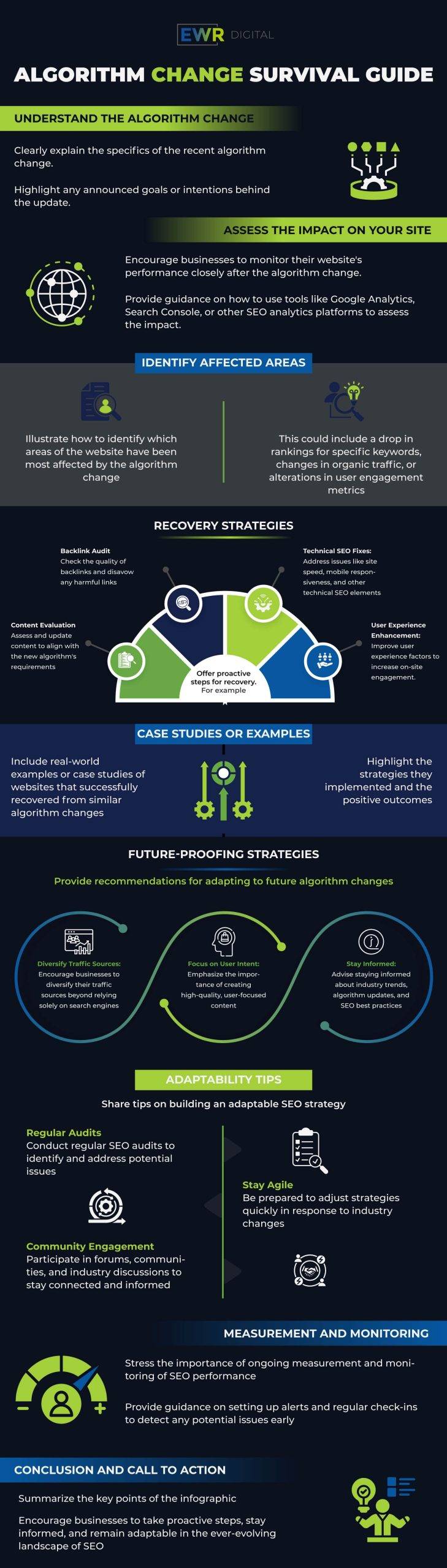
Search engines frequently roll out algorithm updates to improve user experience. These updates may prioritize mobile-first indexing, page speed, Core Web Vitals, AI-driven search, and entity-based optimization.
For international SEO, algorithm changes matter even more because:
- Search behaviors differ by region. For example, voice search adoption in India is higher than in Germany.
- Search engines vary. Google dominates in most markets, but Yandex and Baidu lead in Russia and China.
- Regulatory compliance affects algorithms. The EU’s GDPR influences search data differently than U.S. privacy laws.
Without constant adaptation, businesses risk losing rankings, visibility, and conversions in key markets.
Core Strategies for Adapting to International Algorithm Updates
Search engines are constantly evolving to deliver better results, and in international SEO, the stakes are even higher. Adapting algorithmic strategies international SEO is crucial because algorithmic changes can affect visibility across multiple regions differently, which means businesses need to implement proactive, adaptable strategies. Below is a breakdown of the four most critical approaches.
1. Prioritize Multilingual and Multiregional Optimization
International search success starts with cultural and linguistic relevance. Search engines reward websites that provide value tailored to specific regions and languages, because relevance leads to better user engagement.
- Use hreflang tags correctly. These tags signal to search engines which language and country version of a page should appear in different markets. For example, en-us for U.S. English, en-gb for UK English, and es-mx for Mexican Spanish. Correct hreflang implementation prevents duplicate content issues and ensures the right audience sees the right content.
- Create country-specific landing pages. Instead of using the same page for multiple markets, build dedicated pages that reflect local needs. For example, pricing pages should show local currencies, and product descriptions may differ based on regulations or preferences.
- Avoid automated translations. Machine translations often produce grammatical errors or miss cultural nuances, which reduces trust and credibility. Hiring native speakers or professional translation services ensures content reads naturally and resonates with the local audience.
Example: A U.S. company expanding into Japan might launch a Japanese landing page that includes localized keywords, yen pricing, and references to local regulations.
2. Focus on Entity Optimization (AEO)
Search algorithms are moving beyond simple keyword matching and increasingly relying on entities, structured concepts like brands, industries, or people. International SEO strategies must evolve to build authority around entities rather than just targeting keywords.
- Use schema markup for structured clarity. Adding schema.org markup helps search engines understand the context of your content, such as organization details, product reviews, or service offerings. This improves chances of appearing in rich results and knowledge panels.
- Create FAQ sections. Frequently Asked Questions not only address user intent but also optimize for featured snippets and People Also Ask boxes, which are highly visible in SERPs. FAQs are especially effective across regions where users search differently.
- Align with the Google Knowledge Graph. Building a strong digital footprint, through consistent brand mentions, authoritative backlinks, and verified profiles, helps your business be recognized as a trusted entity across global search ecosystems.
Example: A multinational energy company can use schema markup for sustainability reports, then link that content to their corporate profiles, increasing visibility in knowledge panels worldwide.
3. Adapt to Mobile and Voice Search
In many international markets, mobile devices are the primary access point to the internet. Voice search adoption is also rising rapidly, especially in Asia, Latin America, and Africa. Ignoring these trends risks losing relevance in fast-growing digital economies.
- Optimize for long-tail conversational queries. Voice search queries are often more natural and question-based, such as “Where can I buy eco-friendly packaging in Brazil?” Optimizing for conversational intent ensures visibility in voice-driven search results.
- Ensure mobile-first designs. Google’s mobile-first indexing means your site must be fully optimized for smartphones and tablets. That includes responsive design, readable fonts, and mobile-friendly navigation.
- Leverage structured data. Schema markup not only helps with entity recognition but also improves visibility in voice search results by feeding search engines structured answers to queries.
Example: A travel company targeting India might optimize for voice queries like “best budget hotels near Taj Mahal” while ensuring its mobile site loads quickly on lower-bandwidth networks.
4. Track Regional Algorithm Shifts
Algorithm updates are not always rolled out globally at the same pace. A strategy that works in one region may underperform in another due to staggered rollouts or market-specific adjustments.
- Leverage Google Search Console by country. Setting up country-specific properties provides granular insights into impressions, clicks, and ranking changes at the local level.
- Monitor regional SERPs closely. SERP layouts vary across markets, with some countries showing more featured snippets, video results, or local pack listings. Understanding these differences allows you to adapt content presentation accordingly.
- Adjust link-building strategies. Backlinks from authoritative local domains often carry more weight in regional SERPs than global ones. Building relationships with regional publishers, bloggers, and industry associations improves domain authority locally.
Example: A SaaS company may notice that its pages rank differently in Germany compared to the U.S. because Google rolled out an update there later. Tracking regional trends allows them to adjust link-building and content strategies accordingly.
Analytics and Reporting in International SEO (from Secondary Page Integration)
Analytics is the backbone of international SEO. Without proper reporting, businesses cannot measure success across multiple markets.
1. Setting Up Global Analytics Frameworks
To capture accurate insights:
- Configure Google Analytics 4 (GA4) with country-specific filters.
- Set up subdomain or subdirectory tracking to compare markets.
- Integrate conversion tracking for region-specific goals.
2. Cross-Market Performance Reporting
Businesses need to compare SEO efforts across countries:
- Organic traffic by region to identify growth areas.
- Keyword performance by language to spot localization gaps.
- Bounce rates and engagement metrics to measure cultural alignment.
3. Competitor Benchmarking at Global Scale
Analytics tools can track competitor performance across regions:
- Use SEMrush, Ahrefs, or SimilarWeb for international benchmarking.
- Identify content gaps where competitors dominate.
- Track backlink sources unique to each market.
4. Data Visualization for Stakeholder Communication
Global campaigns involve multiple stakeholders. Clear reporting ensures alignment:
- Use dashboards (Google Data Studio, Tableau, or Power BI).
- Customize reports for regional managers and C-suite executives.
- Highlight ROI-driven KPIs like lead generation, conversions, and lifetime value.
Advanced Local SEO Strategies for International SEO Success
1. Localized Hosting and CDNs
Faster load times improve rankings. Hosting content closer to users improves Core Web Vitals.
- Use CDNs like Cloudflare or Akamai for regional delivery.
- Consider local hosting providers in key markets.
2. Local Backlink Acquisition
Backlinks are more valuable when they come from authoritative local domains.
- Partner with regional publishers and bloggers.
- Contribute to industry associations and local media.
- Avoid low-quality link farms that harm international rankings.
3. Local SEO Keyword Research
Keyword intent varies by market. For example, “petrol” in the UK vs. “gasoline” in the US.
- Use Google Keyword Planner with regional settings.
- Analyze search volume by location and language.
- Include slang and cultural terms to connect authentically.
AI and Machine Learning in International SEO
Modern search engines increasingly rely on AI-driven updates like Google’s RankBrain, BERT, and MUM. Businesses must align strategies accordingly.
- AI-driven keyword clustering helps identify intent-rich opportunities.
- Content personalization allows brands to serve different regions dynamically.
- Predictive analytics anticipates future search behavior shifts.
For international SEO, leveraging AI tools enhances scalability across languages and markets.
Future-Proofing International SEO Strategies
The future of global SEO will be shaped by:
- AI and conversational search.
- Privacy-first marketing due to regulatory changes.
- Increased importance of multimedia (video, podcasts, interactive tools).
- Sustainability and trust signals influence brand authority.
Companies that adopt adaptive frameworks now will stay ahead as search engines evolve.
FAQs on International SEO and Algorithmic Strategies
Q1. Why is algorithm adaptation important in international SEO?
Algorithm adaptation is crucial because search engines like Google, Yandex, and Baidu frequently update ranking systems to improve user experience. These updates may prioritize Core Web Vitals, mobile-first indexing, or entity-based optimization. Without adapting, businesses risk losing visibility, rankings, and conversions in international markets.
Q2. How do multilingual and multiregional strategies improve international SEO?
Multilingual and multiregional strategies ensure content is relevant to specific audiences. Using hreflang tags, creating country-specific landing pages, and avoiding automated translations help businesses provide accurate, culturally appropriate content. This improves engagement and prevents duplicate content issues.
Q3. What role does Entity Optimization (AEO) play in international SEO?
Entity Optimization focuses on building authority around structured concepts like brands, industries, or people rather than just keywords. Using schema markup, FAQ sections, and aligning with the Google Knowledge Graph enhances visibility in knowledge panels, featured snippets, and AI-driven search results globally.
Q4. Why is mobile and voice search optimization critical in global campaigns?
In many international markets, mobile is the primary internet access point, and voice search is growing rapidly, especially in Asia and Latin America. Optimizing for conversational queries, mobile-first designs, and structured data ensures brands remain visible in mobile and voice-driven search results.
Q5. How can businesses track algorithm updates across different regions?
Businesses should use Google Search Console with country-specific properties, monitor regional SERPs for layout variations, and adapt link-building strategies to local authority sources. Since updates often roll out at different times globally, regional tracking ensures timely adjustments.
Q6. What analytics strategies are essential for international SEO success?
Analytics should include global frameworks like GA4 with regional filters, cross-market performance comparisons, competitor benchmarking, and data visualization tools like Google Data Studio. This helps stakeholders measure ROI, conversions, and engagement across multiple markets.
Q7. How does local SEO support international campaigns?
Local SEO strategies like localized hosting, country-specific backlinks, and market-driven keyword research strengthen international SEO. By connecting with regional audiences authentically, businesses improve trust, ranking, and visibility in local SERPs.
Q8. How is AI changing international SEO?
AI-driven tools such as Google’s RankBrain, BERT, and MUM analyze user intent and context more effectively. Businesses can leverage AI for keyword clustering, predictive analytics, and content personalization to scale campaigns across languages and regions efficiently.
Q9. What are the future trends in international SEO?
Future trends include conversational AI search, privacy-first marketing, multimedia content dominance, and sustainability as a ranking factor. Companies that adopt flexible, AI-driven, and user-first SEO strategies now will be better positioned to succeed in evolving global markets.
Q10. How can EWR Digital help with international SEO?
EWR Digital specializes in global SEO, algorithmic adaptation, and analytics-driven reporting. We help businesses expand into Europe, Asia, and Latin America with customized strategies in AEO, Local SEO, and advanced analytics to drive visibility, leads, and long-term growth.
Work with the Top International SEO Agency for B2B Companies
At EWR Digital, we help businesses navigate the complexities of international SEO, algorithmic adaptation, and analytics-driven reporting. Our team of experts creates strategies that are customized for your target markets, ensuring maximum visibility, lead generation, and ROI across borders.
Whether you are expanding into Europe, Asia, or Latin America, we deliver cutting-edge solutions in AEO, Local SEO, and SEO that position your brand for long-term success.
Contact us today to schedule a consultation with our international SEO specialists and take your global presence to the next level.