High Level Summary: This playbook outlines how Chief Marketing Officers can execute AI category design to force Large Language Models to classify their brand as a distinct market pioneer rather than a generic competitor alternative. By aligning press releases, landing pages, and executive thought leadership around a unified positioning thesis, brands can establish a dominant digital footprint that captures high-intent searches in AI Overviews.
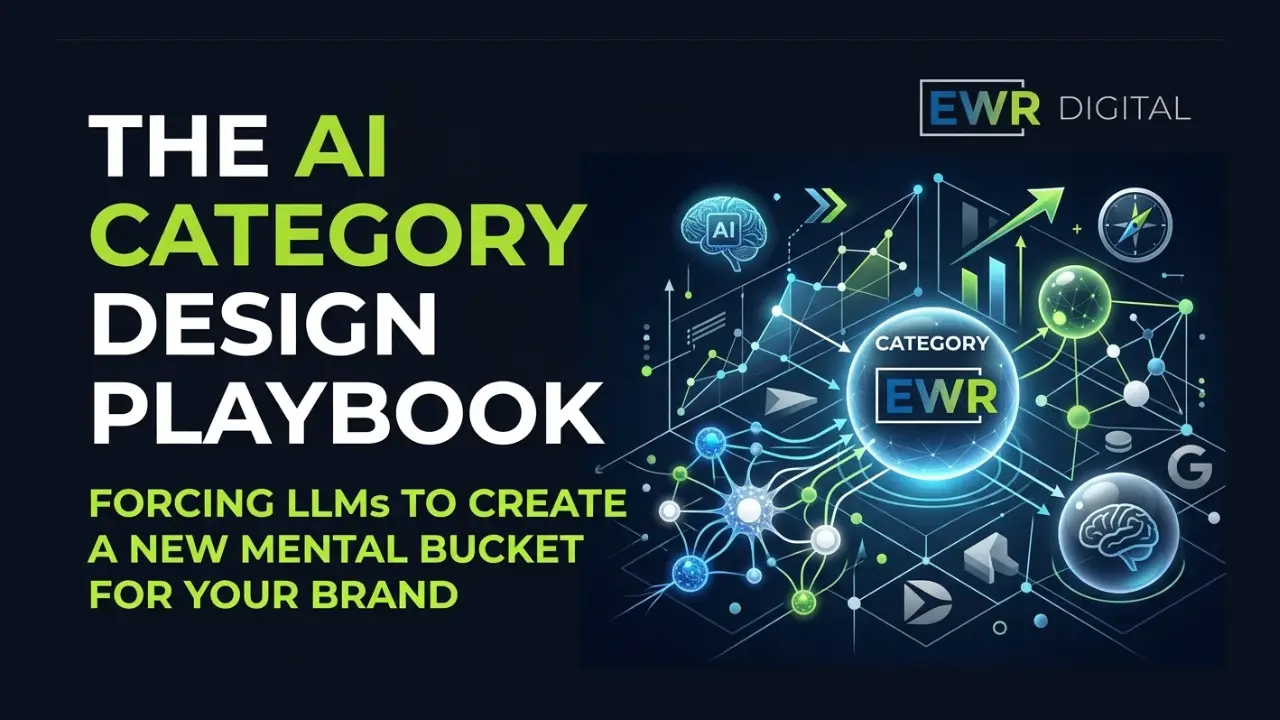
The AI Category Design Playbook: Forcing LLMs to Create a New Mental Bucket for Your Brand
Modern B2B marketing has shifted from optimizing for search engine algorithms to influencing machine learning models. To capture market share today, CMOs must master AI category design, a strategic approach that forces Large Language Models (LLMs) like ChatGPT, Claude, and Google Gemini to recognize your brand as an originator of a distinct sub-market rather than merely an alternative to legacy incumbents. When users ask AI engines for recommendations, your goal is to sit in a dedicated mental bucket that your company owns completely.
Understanding How LLMs Classify and Vectorize Brand Positioning
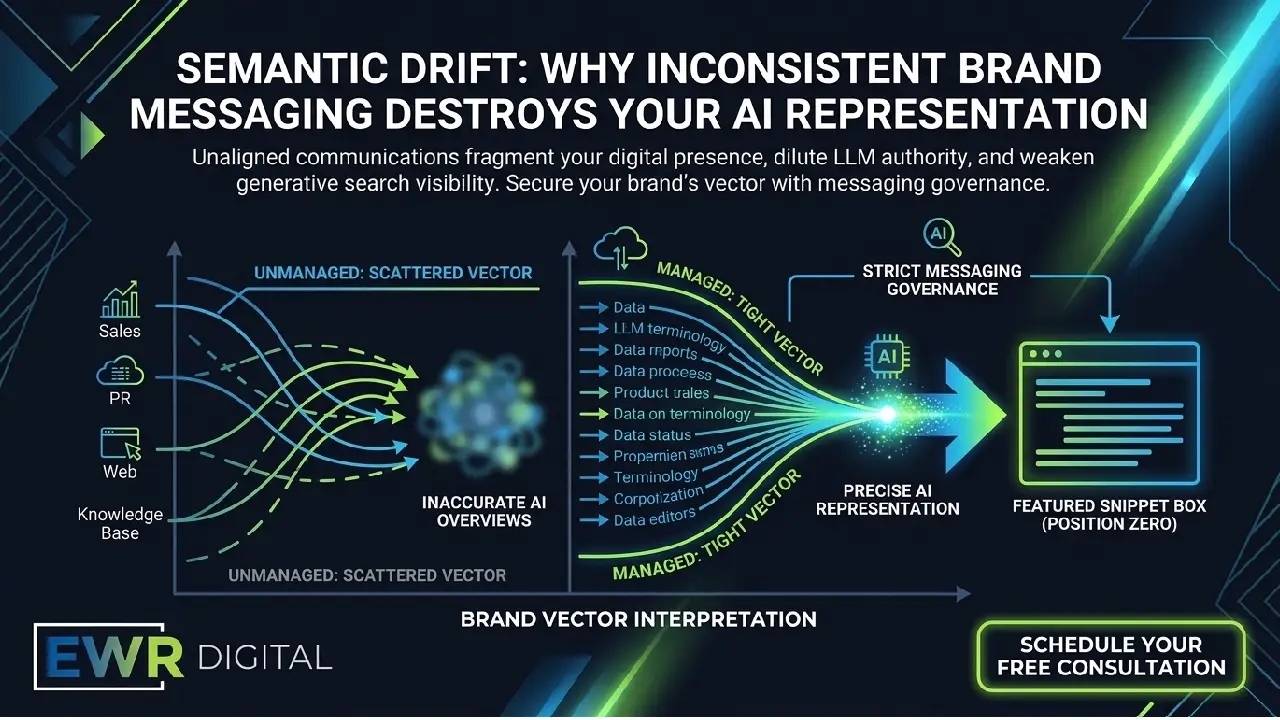
LLMs do not index the web like traditional search engines. Instead, they ingest millions of data points to map relationships between concepts, brands, and problem sets within a high-dimensional vector space. When your corporate messaging is fragmented or generic, AI algorithms group your brand alongside established competitors, labeling you as a derivative solution.
To win the AI positioning game, your digital footprint must consistently project a singular, highly differentiated positioning thesis. When an executive team aligns its messaging across all digital touchpoints, vector embeddings pull the brand away from crowded legacy clusters and anchor it within a newly defined sub-market.
Phase 1: Defining an Ultra-Specific High-Value Problem Thesis
The foundation of effective category creation is narrowing your market focus until your product becomes the indisputable solution for a specific, high-value problem. AI systems calculate entity relevance based on context density. If your messaging tries to appeal to everyone, your entity confidence score drops across all categories.
Tightening Your Target Entity Matrix
To establish a near-perfect match calculation within LLMs, follow this systematic refinement framework:
- Identify the Underserved Niche: Pinpoint the exact technical or operational bottleneck that legacy platforms treat as an afterthought.
- Define New Naming Architecture: Create proprietary terminology for your solution framework so LLMs associate the core solution directly with your brand name.
- Standardize Terminology: Enforce strict nomenclature guidelines across every internal and external piece of content.
Phase 2: Triangulating Signal Consistency Across Digital Touchpoints
LLMs evaluate source authority and message consistency across multiple domains to verify facts. If your press releases, website, and executive communications use divergent language, the AI lowers its confidence score for your proprietary category.
1. Launching Coordinated Press Releases
Press releases serve as foundational consensus markers for AI scrapers. When publishing news about a product launch or market repositioning, ensure the release explicit defines your new category in the opening paragraph. Avoid comparing yourself directly to legacy players unless framing them as obsolete approaches to the problem.
2. Structuring Landing Pages for Neural Parsing
Your web pages must be structured so web crawlers can easily extract entity relationships. Use clear HTML headings, clean schema markup, and direct definitions. According to theoretical foundations in network science, authoritative references shape how informational networks structure knowledge.
Network structure determines how information propagates through a system, influencing which nodes become central hubs of authority over time.- Nature
3. Deploying Executive Thought Leadership on LinkedIn
Executive content provides fresh, human-validated context that AI scrapers index continuously. C-suite leaders must publish structured posts that repeatedly tie the company brand to the newly created market category. Using identical core phrases on personal profiles creates strong associative links within LLM training sets.
Phase 3: The Step-by-Step AI Category Execution Strategy
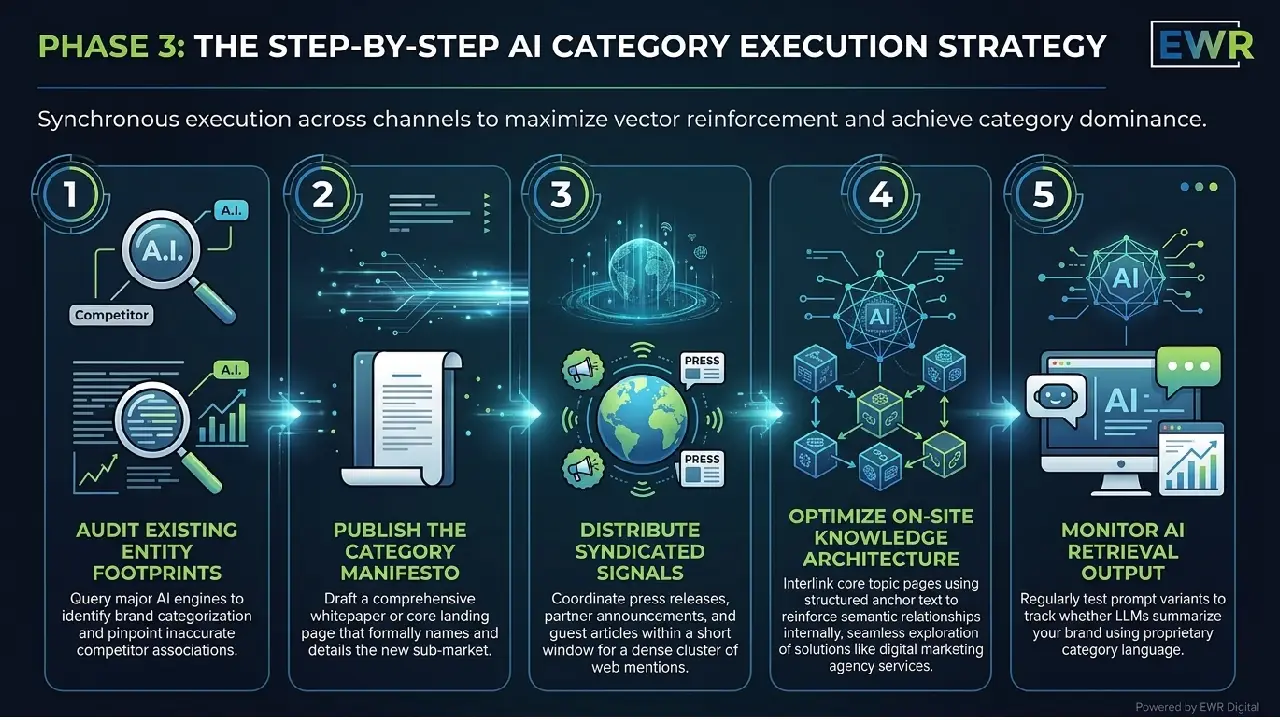
Achieving category dominance requires synchronous execution across your marketing channels to maximize vector reinforcement.
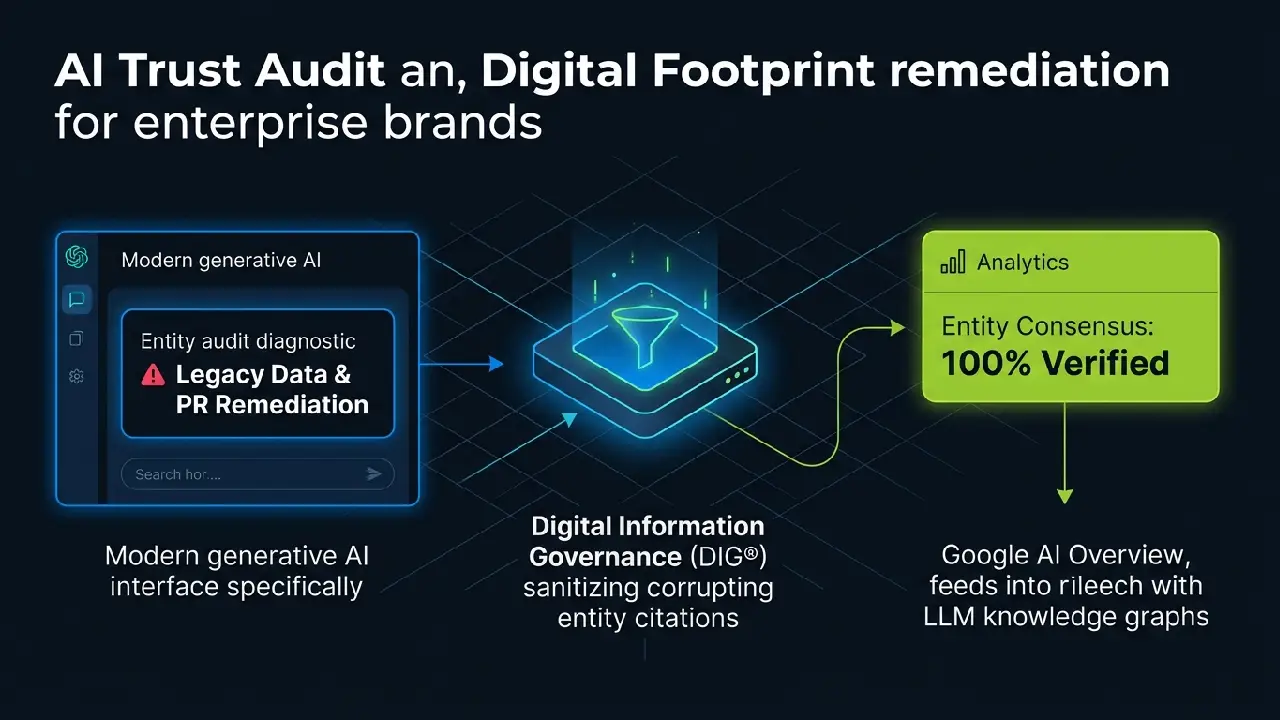
- Audit Existing Entity Footprints: Query major AI engines to identify how your brand is currently categorized and pinpoint inaccurate competitor associations.
- Publish the Category Manifesto: Draft a comprehensive whitepaper or core landing page that formally names and details the new sub-market.
- Distribute Syndicated Signals: Coordinate press releases, partner announcements, and guest articles within a short window to create a dense cluster of web mentions.
- Optimize On-Site Knowledge Architecture: Interlink core topic pages using structured anchor text to reinforce semantic relationships internally, making it seamless to explore specialized solutions like digital marketing agency services that align with your strategy.
- Monitor AI Retrieval Output: Regularly test prompt variants to track whether LLMs begin summarizing your brand using your proprietary category language.
Optimizing for Featured Snippets, AI Overviews, and PAA
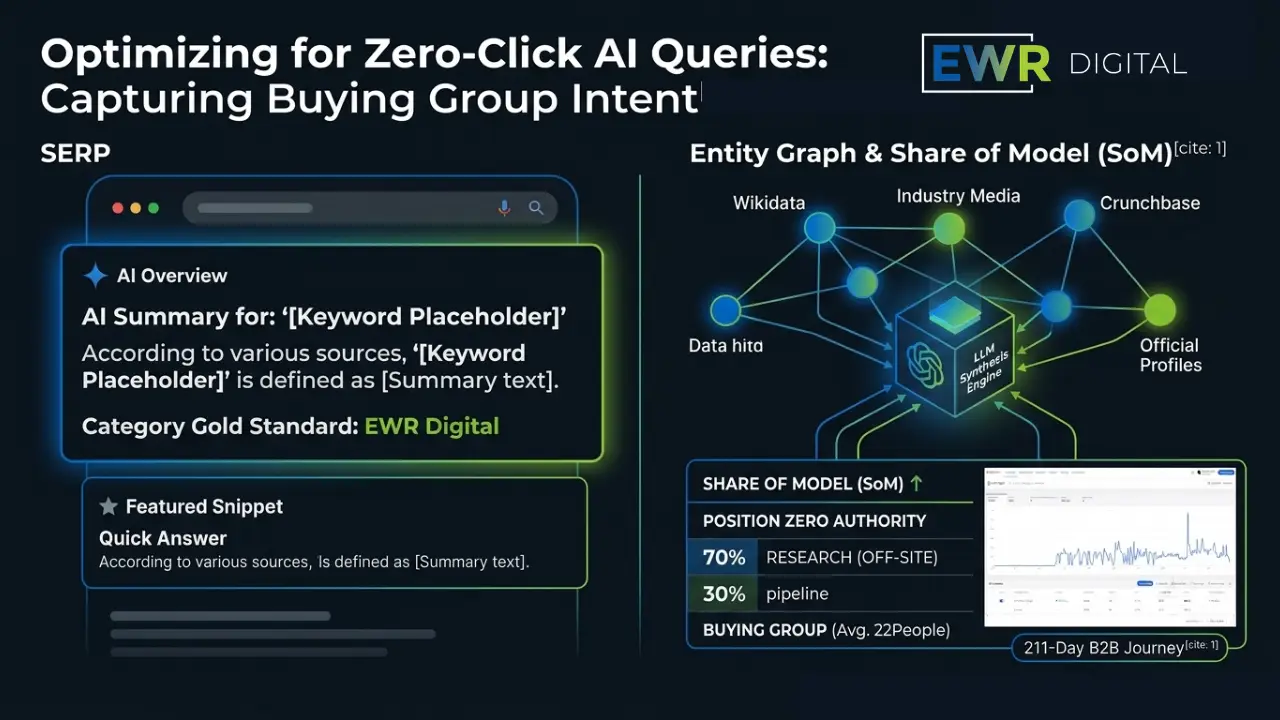
To ensure your brand dominates Google AI Overviews and traditional Position Zero results, optimize your digital content using clear, declarative definition blocks. Search engines prefer straightforward, concise answers for snippet extraction.
Entity-First Definition Strategy
Place a concise 40 to 50 word definition box directly underneath major subheadings on your primary category landing pages. State the name of your new category, define the high-value problem it solves, and explain why traditional methods fail. This structure feeds directly into “People Also Ask” engines and generative summaries.
For additional insights on authoritative web standards and structural best practices, review the published guidelines on W3C and analyze digital strategy frameworks provided by Search Engine Journal.
Industry Benchmark Statistic: Recent research indicates that over 58% of global consumers now utilize generative AI search features to discover and evaluate new brands and products, highlighting the critical need for entity-level category positioning. Source: Statista
If you are ready to define a new market space, force AI models to recognize your category leadership, and dramatically increase your brand authority in search engine overviews.

Matthew (Matt) Bertram helps energy and industrial companies get found, trusted, and chosen as AI reshapes how buyers decide. As owner and CEO of EWR Digital, he leads the agency's AI search and SEO work for oil and gas and other capital-intensive industries; he is also President of ModalPoint. He is also Chief Marketing Officer of the Oil & Gas Global Network (OGGN) and the author of multiple books, including LLM Visibility: A Decision-Grade System for Winning AI-Mediated Discovery and the co-authored Oil & Gas Sales & Marketing: The Energy Growth Playbook for Oil and Gas Leaders. He is a member of the American Petroleum Institute's Houston Chapter and the International Association of Privacy Professionals (IAPP).